
It’s been a busy start to the year here at Hardale. Not with installs or live work, but with R&D for projects landing over the next 18 months.
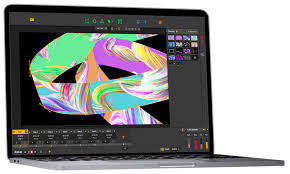
A quieter January on site gave us space to revisit tech we’ve used before and properly explore a few new tools.
We’ve been brushing up on:
- Motion tracking with Kinect
- Hand gesture tracking with Leap Motion
- Integrating tracking into TouchDesigner workflows
- Lighting and pixel mapping from video sources (more on that here)
And we’ve started working with:
- HeavyM for projection mapping
- Tixl (formerly Tooll) for reactive motion graphics
- Coollab for generative 3D visuals
Revisiting Kinect + Leap Motion
The original Kinect combines infrared, depth sensing and RGB cameras. Using the Kinect SDK, it supports full skeleton tracking, hand gestures and even includes a microphone array for voice recognition.
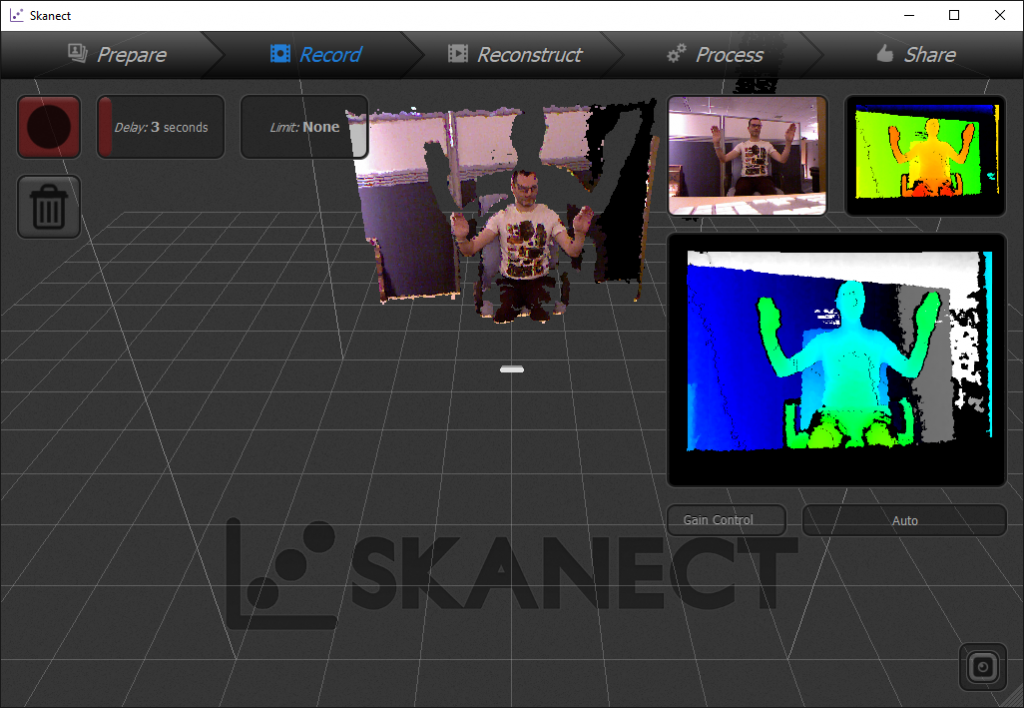
TouchDesigner has native TOPs for each camera input, so pulling in usable data is straightforward. The Kinect CHOP handles skeleton points and hand interaction inside TD, which makes motion tracking accessible without huge budgets.
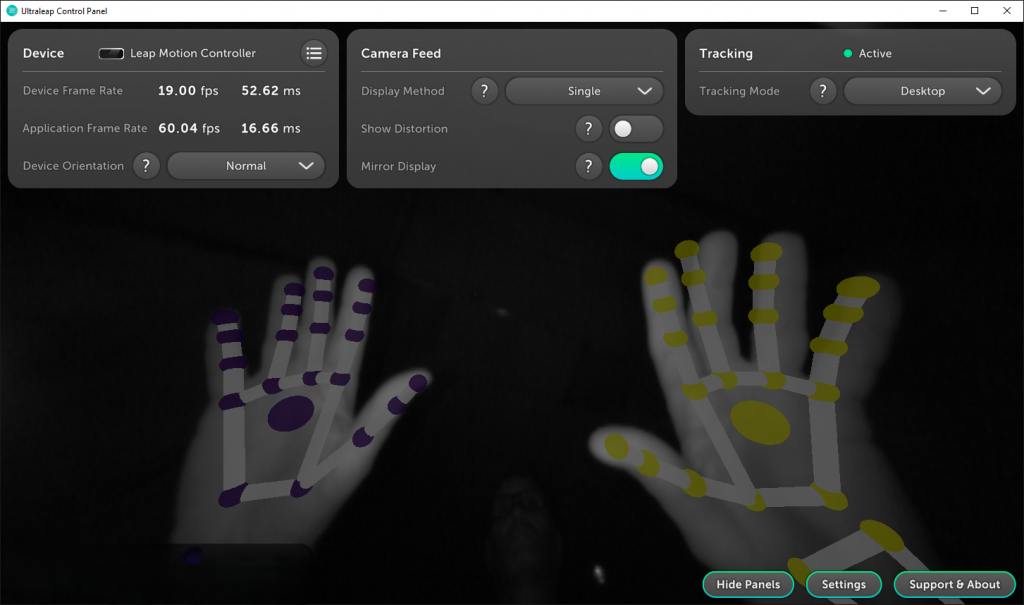
It’s a similar story with Leap Motion. TouchDesigner includes native TOP and CHOP operators, the TOP brings in image data, and the CHOP handles the sensor data, allowing hand position, finger tracking and gestures to be interpreted directly in your network.
Both are affordable ways to build interactive systems without overcomplicating things.
New tools in the mix
HeavyM has been a fun one to test. It sits somewhere between MadMapper and Resolume in terms of it’s versatility. The interface is intuitive, so you can get mapping quickly, even if you’re new to it. There’s also a solid library of effects and shaders, which makes building something engaging pretty fast and its Sequences layout is great for organising ideas and building shows.
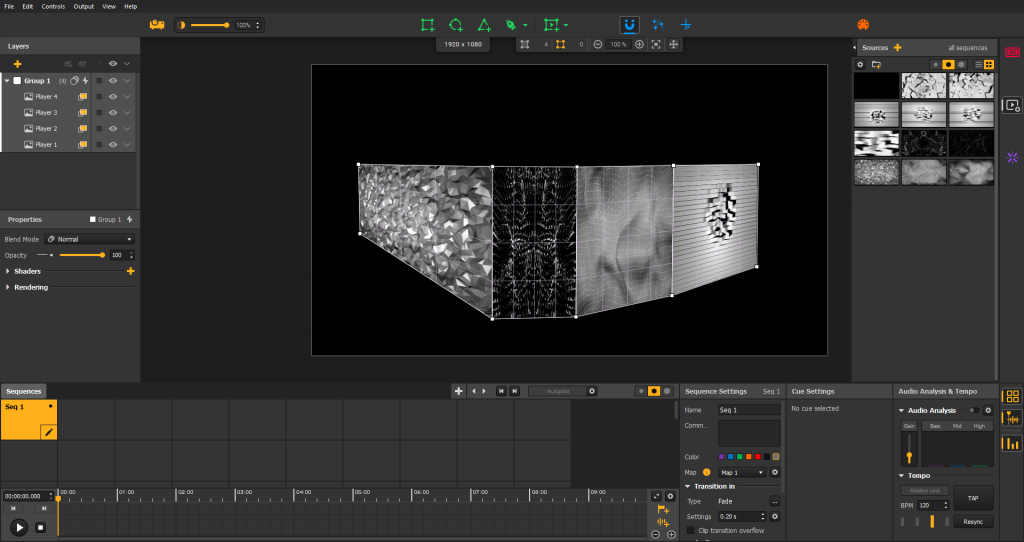
For more complex mapping, MadMapper is still more powerful. And for larger productions or live VJ work, Resolume’s show control is stronger. But as an all-round solution, especially for projects that don’t need heavy show control, HeavyM is a great option. We’ll definitely be using it.
We also spent some time with Tixl.
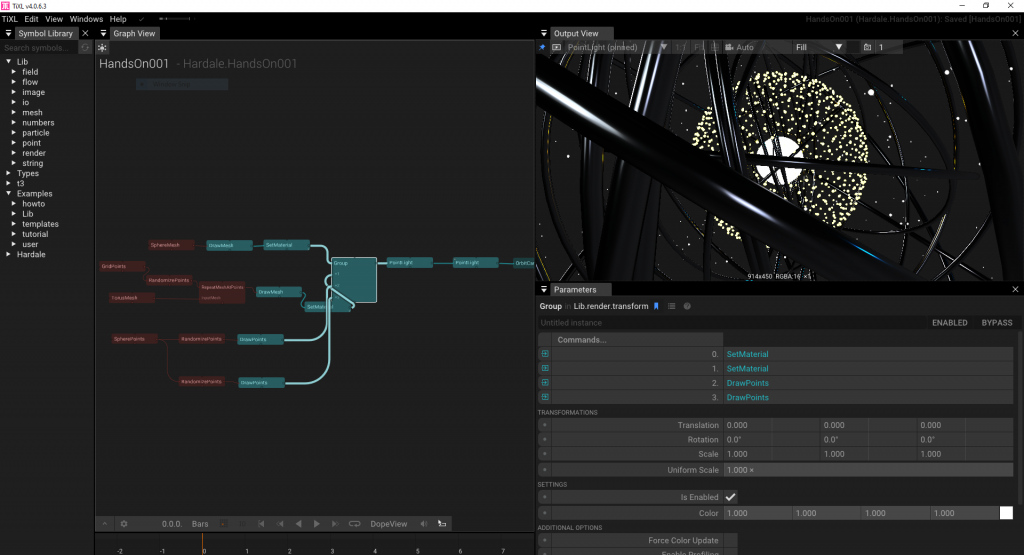
Like TouchDesigner, it’s node-based, but it’s focused on reactive and interactive motion graphics. It’s quick to build rich, responsive visuals and has a wide library to work from. It’s not a direct replacement for TD and doesn’t have the same industry footprint, but it’s capable and worth exploring, especially since it’s free and open-source.
Coollab is another interesting addition. It’s also free and open-source, and sits in a similar space to Notch or Resolume Wire for creating generative 3D visuals in a node-based environment.
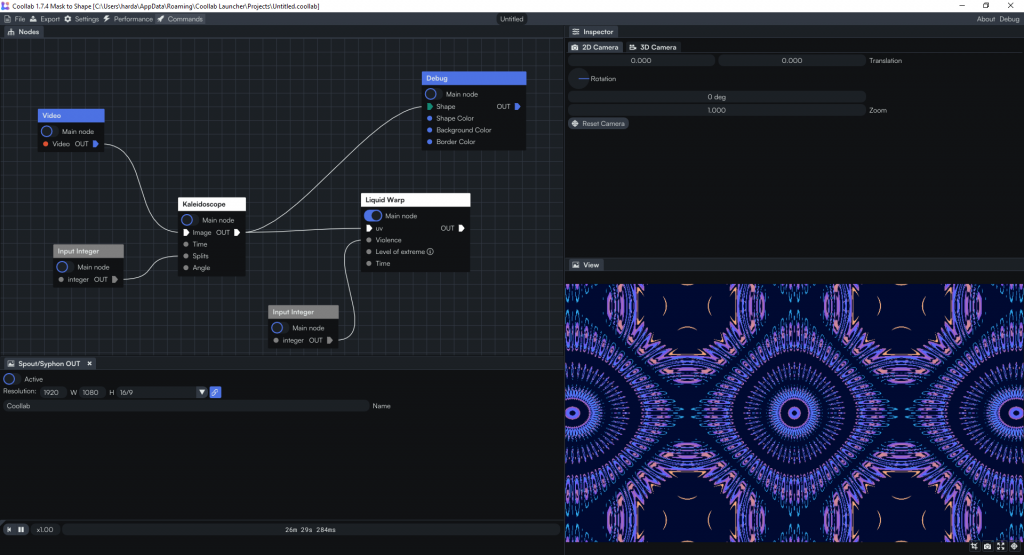
The interface is clean and approachable, and it’s easy to get complex, layered results without fighting the software.
Moving Forwards
It’s always good to have alternatives in the toolbox. Spending time with new software, and properly revisiting older tech, means we’re better placed to choose the right tools for each project rather than defaulting to the usual.