Technical solutions for the Arts

Site Logo

Blog

  • Exploring Pixel Mapping with LED Curtain Matrices

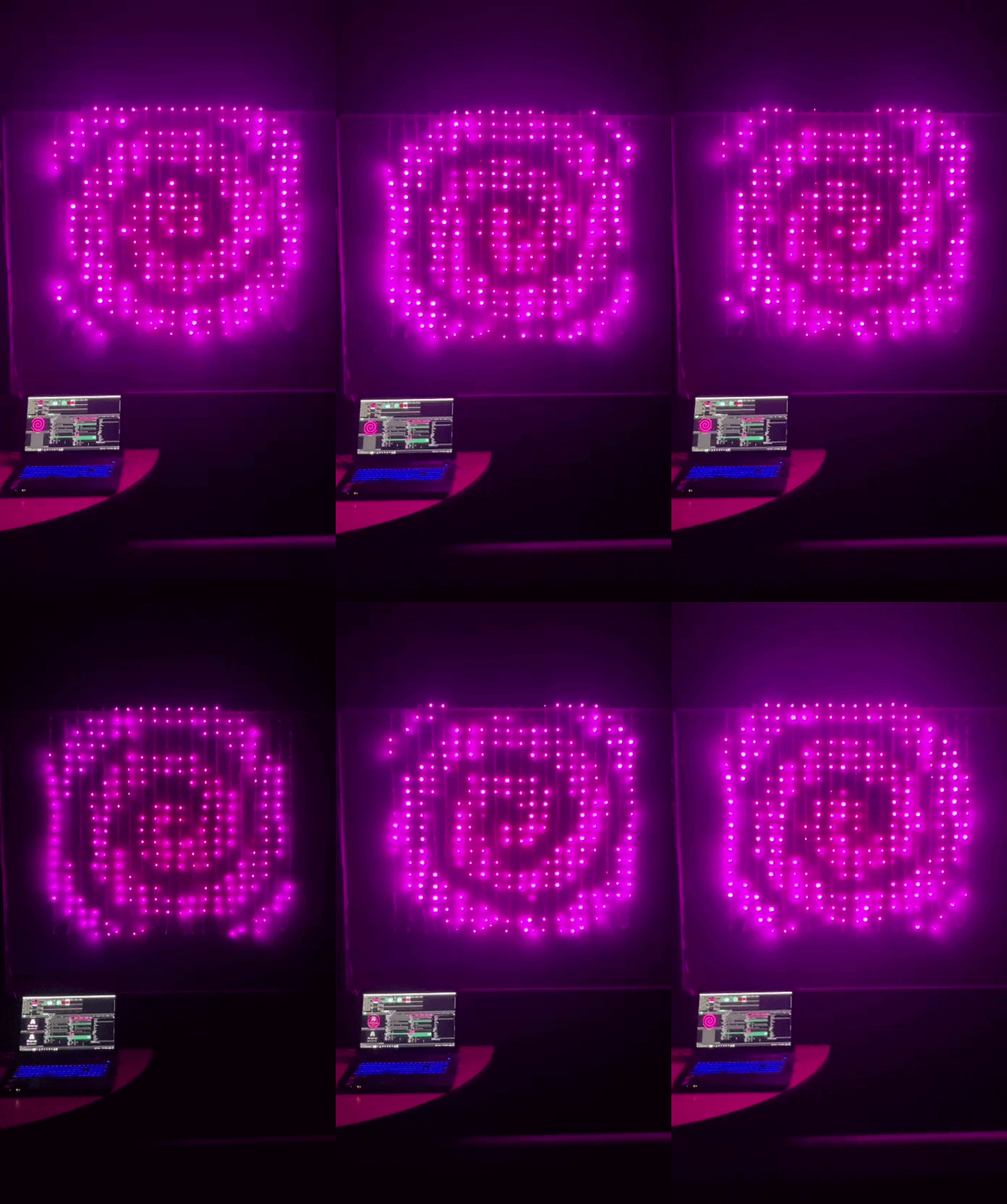
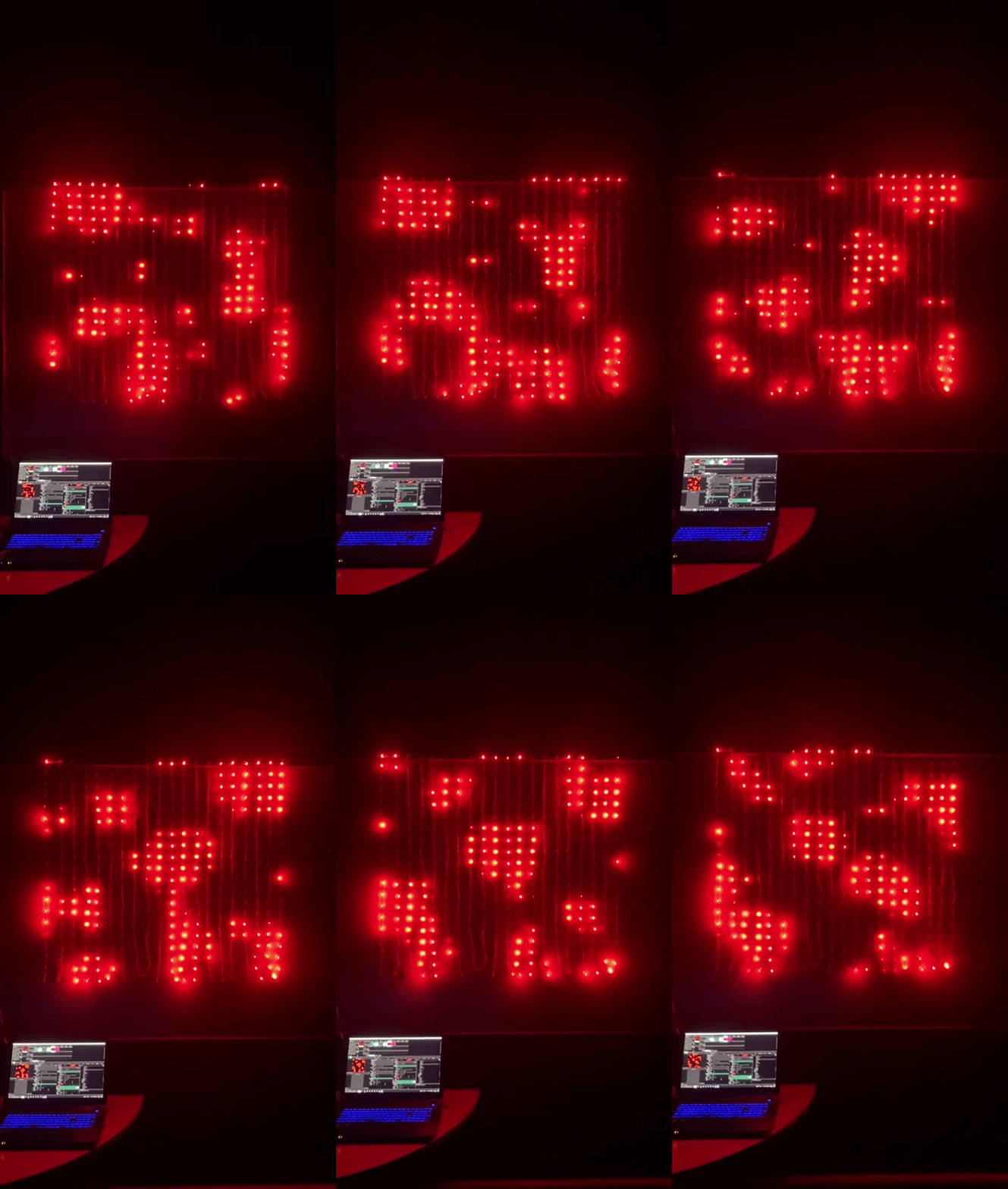
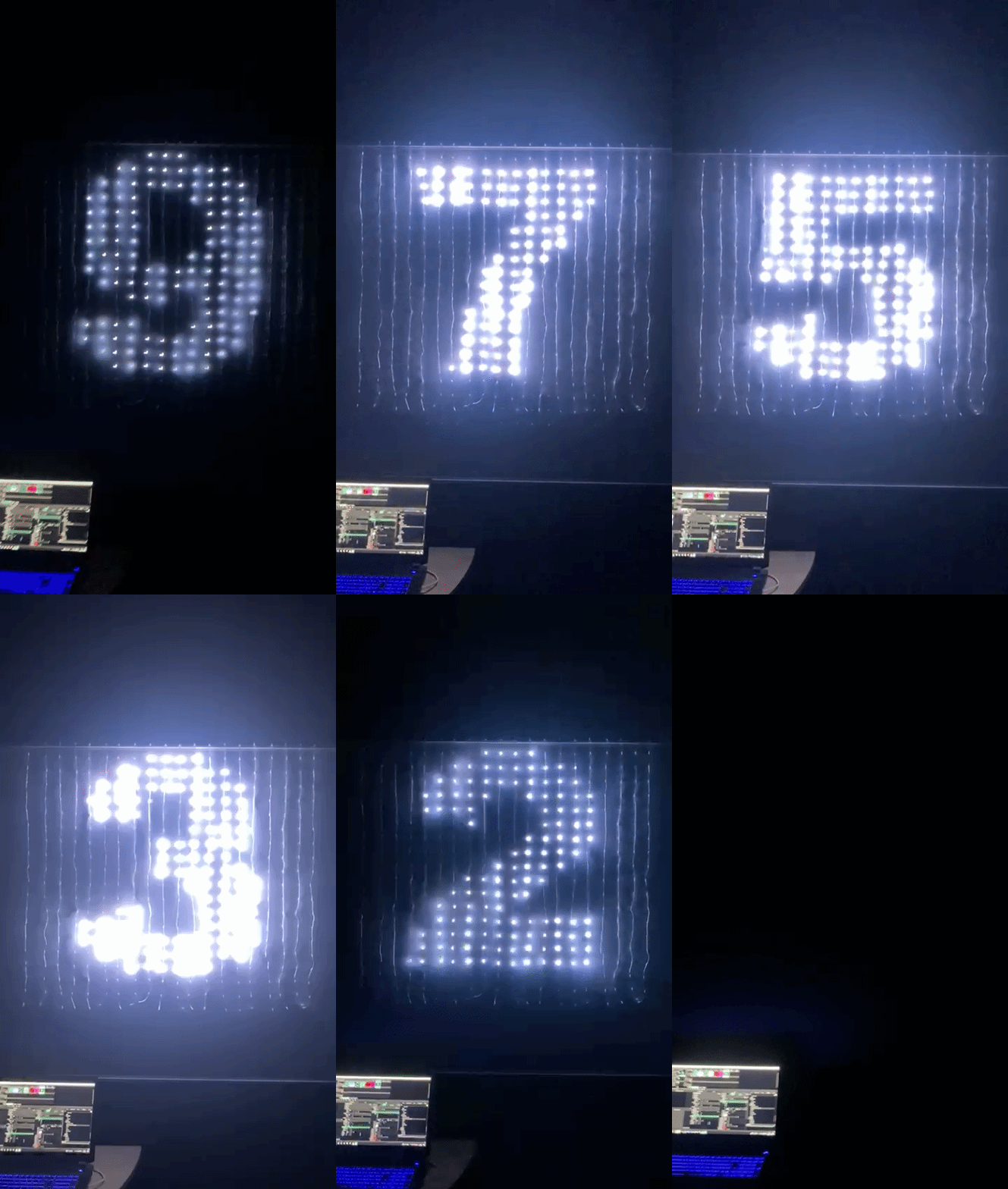
    We’re currently working on an R&D project exploring the creative potential of budget LED string curtain lights, using them as large-scale pixel matrices for mapped video content.

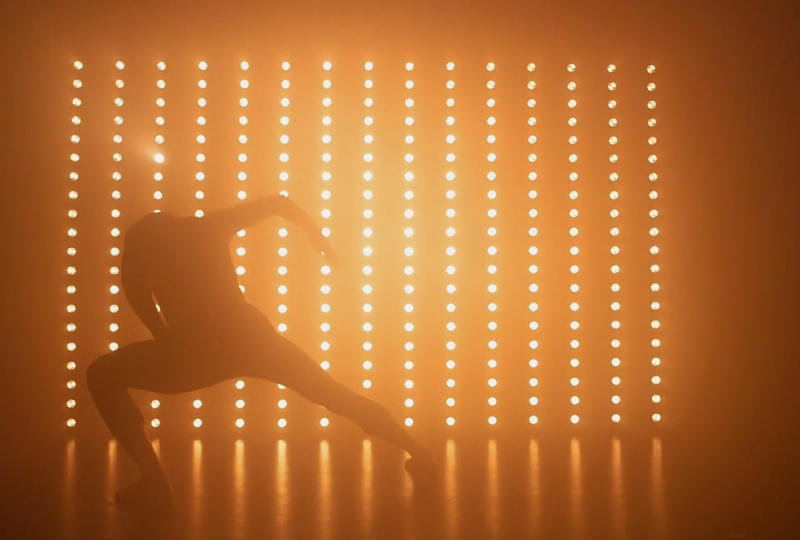
    The starting point has been intentionally simple: a 1m x 1m LED curtain, with content delivered from Resolume via Art-Net. By treating the curtain as a pixel surface rather than a lighting effect, we’ve been able to map video content directly onto the matrix, effectively turning a low-cost lighting product into a flexible digital display.

    Early testing has been extremely promising.

    1m x 1m Test Results

    (more…)
  • R&D for the New Year

    It’s been a busy start to the year here at Hardale. Not with installs or live work, but with R&D for projects landing over the next 18 months.

    A quieter January on site gave us space to revisit tech we’ve used before and properly explore a few new tools.

    (more…)
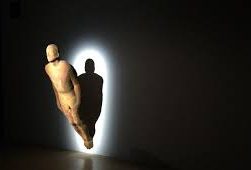
  • Last-Minute Support: Lighting Aitor Throup’s ‘From the Moor’ Exhibition

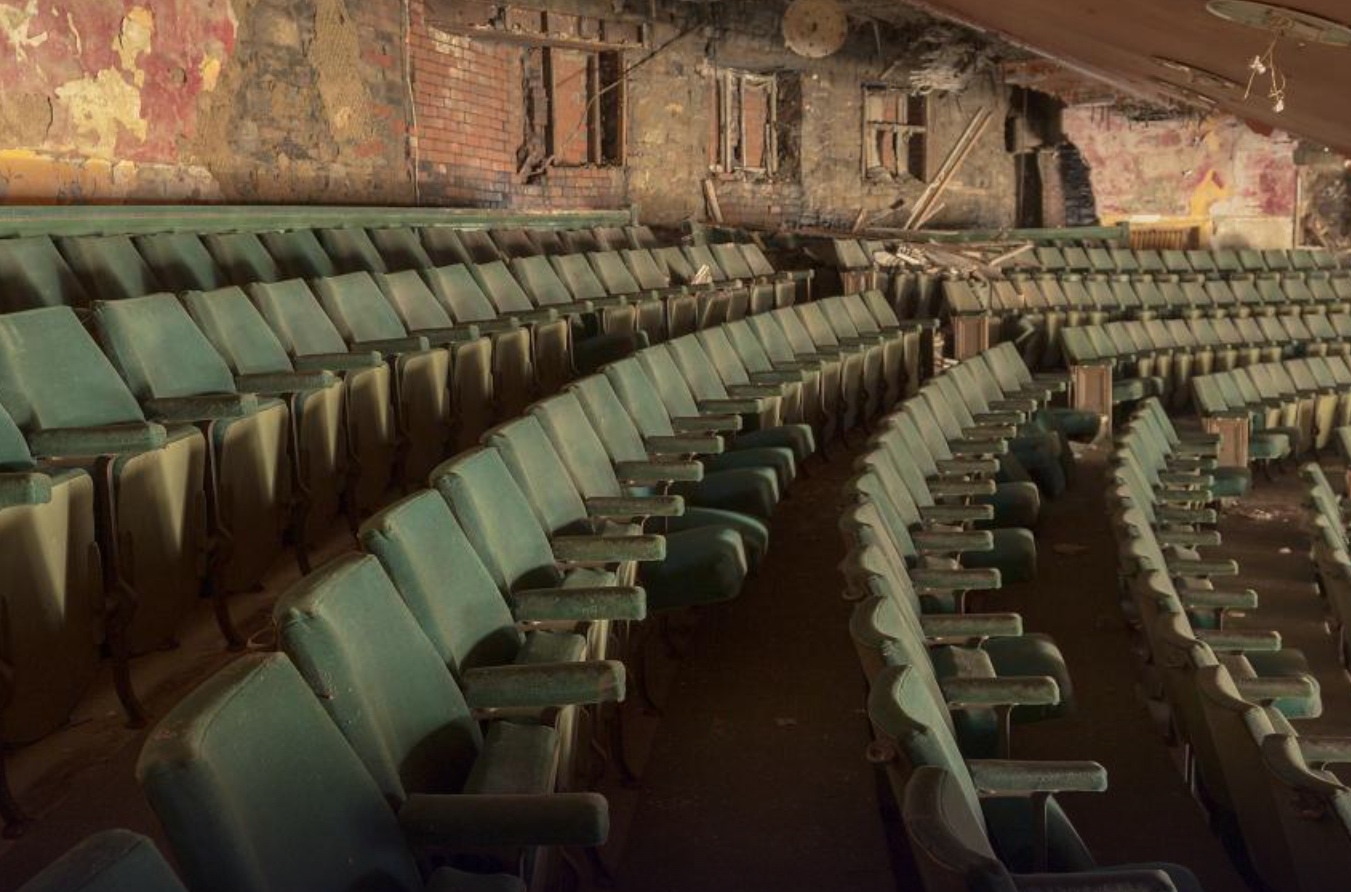
    Following our recent work with the British Textile Biennial 2025, we were invited at short notice to support a major feature of the programme, an immersive, multi-media exhibition by internationally renowned artist and designer Aitor Throup, presented at the Empire Theatre, Burnley.

    (more…)
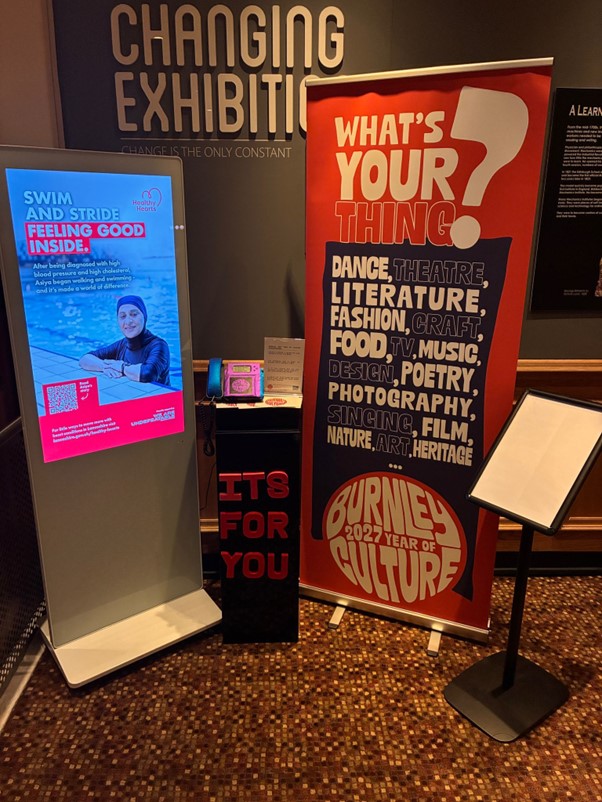
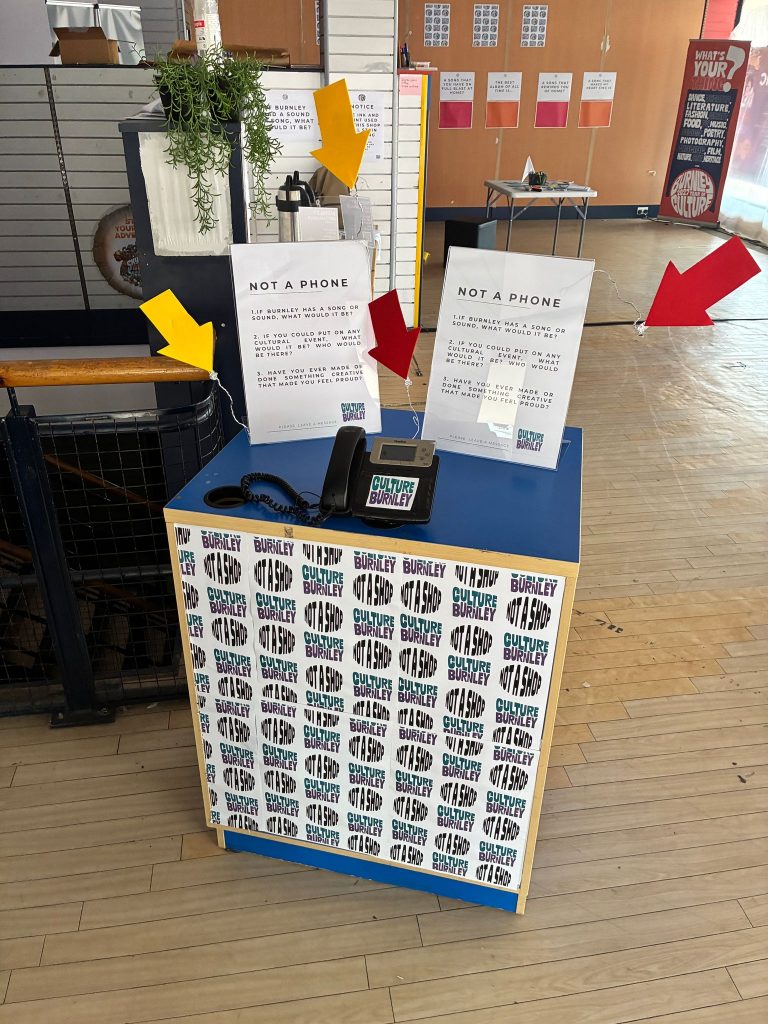
  • Not a Phone v2 – Continuing the Conversation for Burnley Year of Culture 2027

    Culture answerphone at Burnley Mechanics Theatre

    Following the success of the Not a Phone interactive installation, developed for the ‘Not a Shop’ Burnley Year of Culture 2027 engagement event, we’re excited to share that the project has evolved and continues to play a part in the town’s cultural journey.

    (more…)
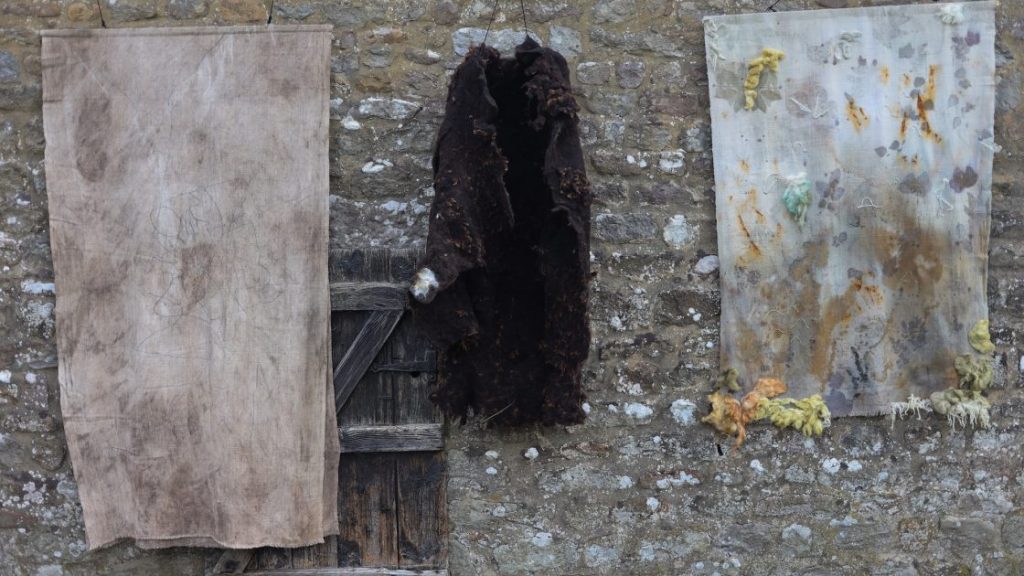
  • Are You Lost? at Pendle Heritage Centre for BTB 2025

    A meeting of place, material and time

    Photo courtesy of the artists

    It has been such a pleasure to work on Are You Lost?, a collaboration by Kate O’Farrell and Rob St John, as part of the British Textile Biennial’s 2025 programme. The piece brings together film, soundscape and textiles, rooted in the landscapes and communities of the Forest of Bowland, exploring its land-access stories, environmental justice questions, and personal connections to place.

    (more…)
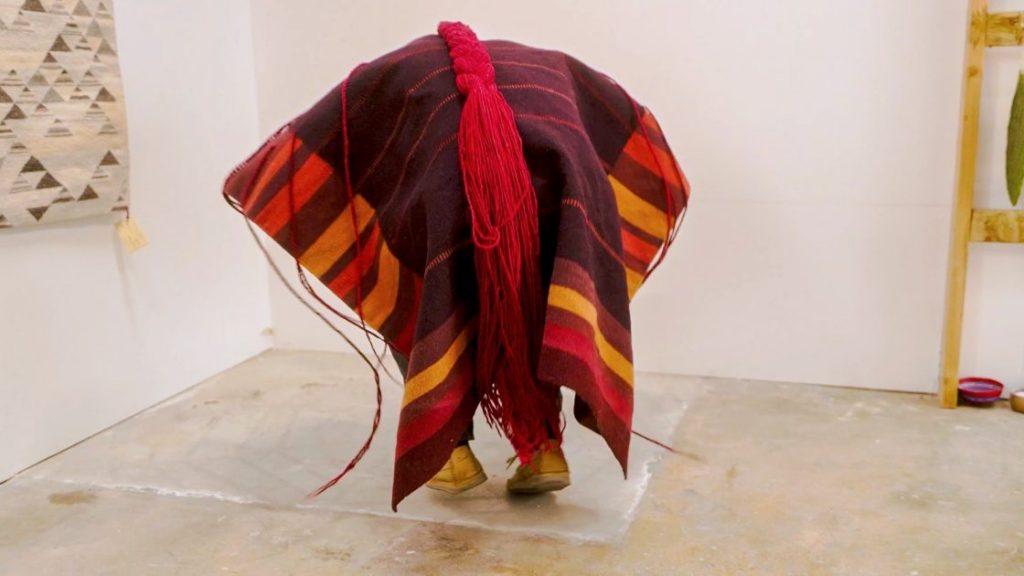
  • Collaborating with BTB: Audio, Video, and Technical Installations Across the British Textile Biennial 2025

    This year, we were proud to work alongside the British Textile Biennial (BTB) creative team to deliver a series of audio-visual installations, video edits, and technical integrations across multiple venues in Lancashire.

    Photo by Porfirio Gutiérrez courtesy of British Textile Biennial

    (more…)
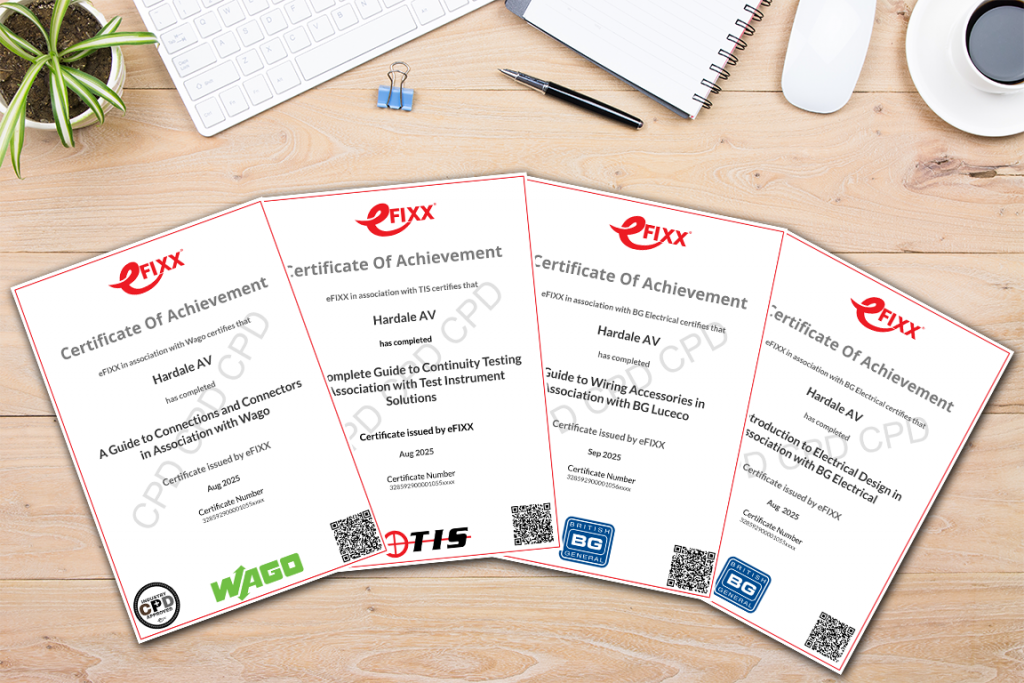
  • Ongoing Professional Development in Electrical Safety

    Ongoing professional development is a cornerstone of maintaining safety, compliance, and high standards within the electrical and AV installation industries.

    (more…)
  • One Side to the Other: Akram Khan Company

    Supporting the Live Immersion of One Side to the Other

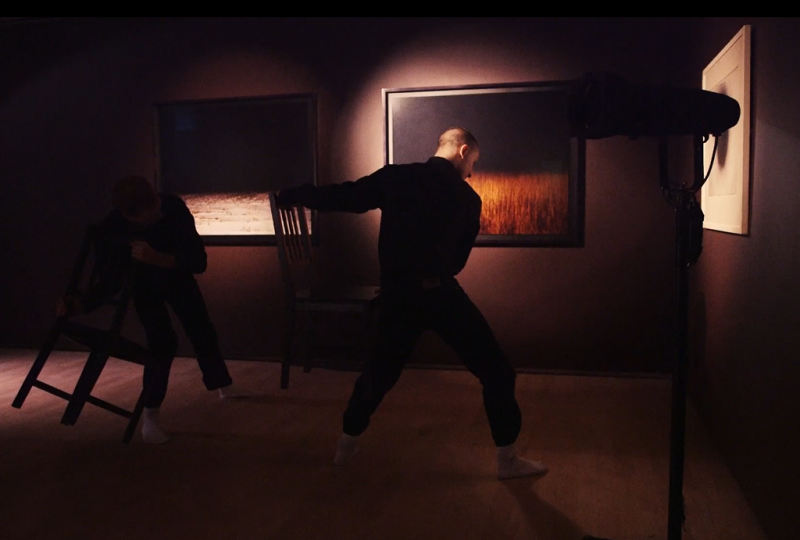
    Stepping into Akram Khan’s One Side to the Other at The Lowry was unlike any other project we’ve supported. What set it apart was not just its scale, but the timing: joining right at the end of its production phase, just as the show was about to open to the public. That meant a fast and concentrated process of learning the technical backbone of the installation so that we could help sustain it throughout the exhibition run.


    The gallery as performance

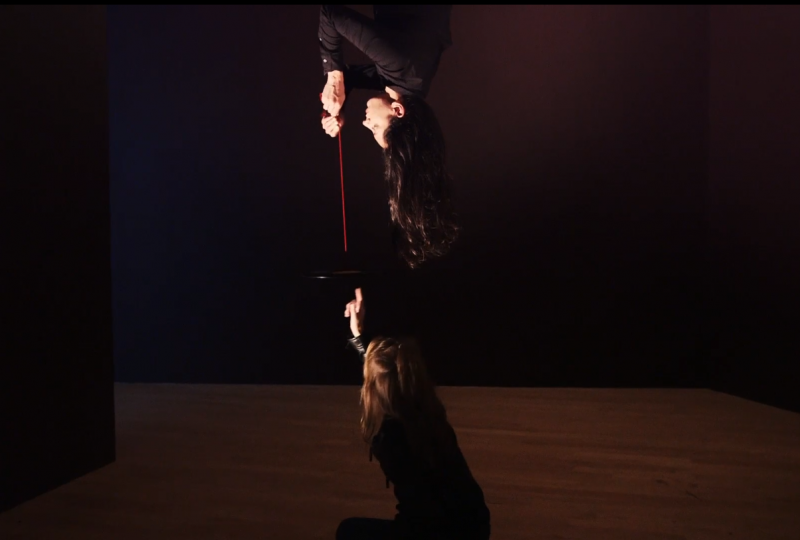
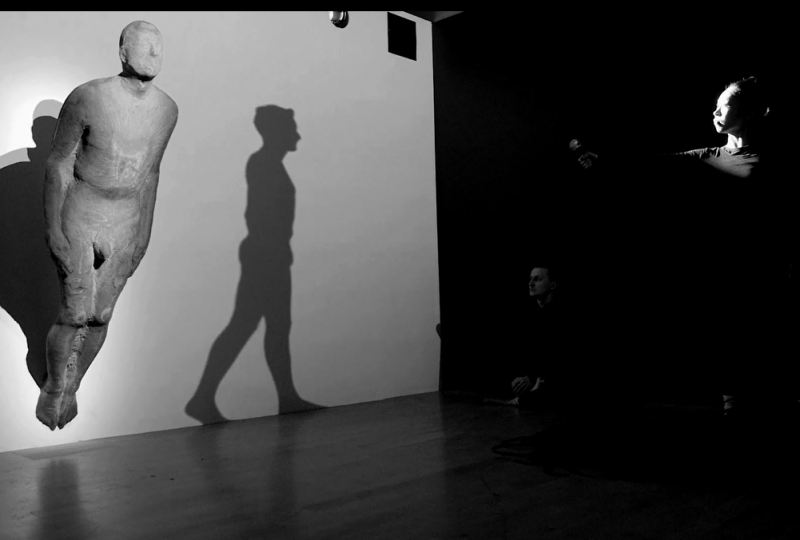
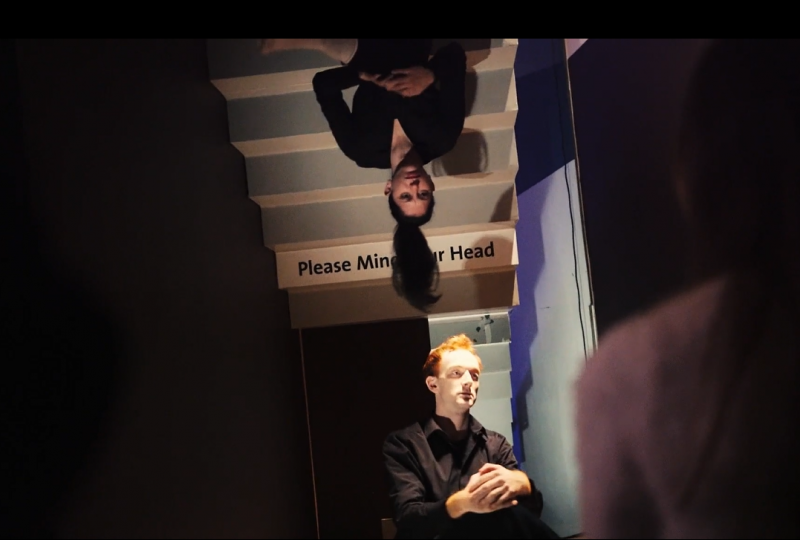
    At its core, this wasn’t a conventional gallery show. The exhibition itself combined sculpture, film, and photography, but on particular days it transformed into something more: a live installation where dancers guided audiences through the space. Visitors weren’t simply looking at artworks, they were inside them, moving with them, led between pieces as sound and choreography reshaped the room.

    Supporting the work meant recognising that each technical element, light, sound, timing, spatial flow, wasn’t just background, but an active part of the performance vocabulary.


    The challenges of supporting such a work

    Preserving the integrity of surprise, while guiding safely

    Audiences needed to feel immersed within the work, caught off-guard by sudden shifts of movement, sound, or light, yet still safe as they navigated a space designed for art rather than crowd flow. Our role was to walk that fine line, operating the show live while moving through the space alongside the audience, blending in by pretending to be just another participant. This meant holding the tension of risk and wonder, while also quietly ensuring the practicalities were in place: clear paths, hidden technologies, and an unobtrusive hand on the technical operation.

    Technical orchestration of light, sound, timing

    Because the installation carried both static and live elements, the technical side had to flex seamlessly. Lighting had to shift focus between highlighting artworks and catching the moving body. Soundscapes needed to dovetail with live cues from performers. Learning this system at speed, and then maintaining its fluid precision during public runs, was as much about listening and anticipation as it was about understanding systems and learning cues.


    Learning fast, holding steady

    Coming in at the tail end of the build meant I didn’t have the luxury of gradual involvement. Instead, the job was about absorbing the intricacies of the system quickly, working closely with the creative and technical teams, and then acting as a kind of anchor once the public came through the doors. It was less about inventing than about holding, keeping the show’s delicate balance intact so that audiences could experience its intended sense of immersion.


    Why it mattered

    Supporting One Side to the Other confirmed how live immersive installation blurs boundaries. The visitor is no longer a spectator but a participant; the artwork is no longer static but alive in sound, light, and movement. Our role was to make sure that transformation held up in practice, that every technical layer stayed responsive so the magic could unfold without interruption.

    For those who experienced it, the exhibition didn’t just show art. It staged an encounter, where crossing from one side to the other became both literal and metaphorical. Helping to keep that space alive was a privilege.
  • In Transit: Transport for Greater Manchester

    Sound, Memory and Movement at Bolton Bus Station

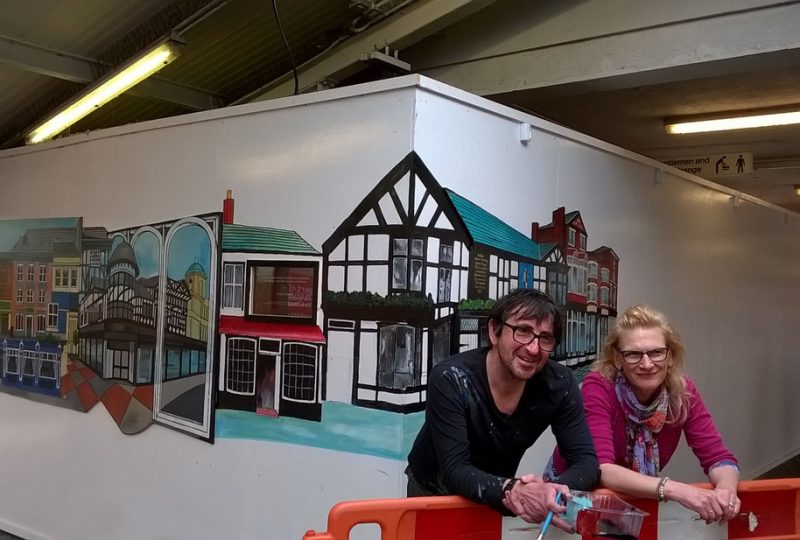
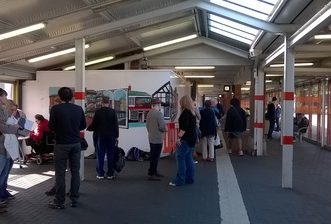
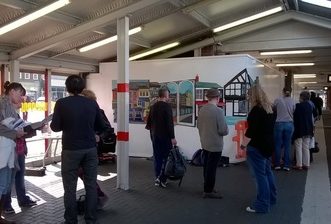
    We had the opportunity to spend time with In Transit, an immersive public art installation created by artist Stephy Shipley. Installed at Bolton Bus Station, the work transformed a busy transport hub into a place of shared memory, gently weaving together the voices of local people as part of the station’s own story. Shipley’s practice gently and evocatively transports us to other times and places; her visual, textual, and sonic pieces evoke a sense of elsewhere, inviting us to meditate on memory and place. In In Transit, that invitation was deeply felt: we were drawn into a collective reflection of longing and residual memory, haunted by the spoken and unspoken, offered fleeting glimpses of landscapes both familiar and unfamiliar, like stills from half-remembered films.

    At the heart of the installation was sound. Sensors were positioned so that as travellers moved through the concourse, they triggered audio recordings: fragments of conversations, recollections and reflections from Bolton residents. Each clip was short, sometimes personal, sometimes collective, but always grounded in the lived experience of the community. As more people passed through, these memories built into a layered narrative, not linear, but overlapping, much like the comings and goings of a bus station itself. To achieve this, we installed PIR sensors connected to an Arduino microcontroller, which triggered recorded samples stored on a weatherproofed Raspberry Pi. Working in a live public space meant safety was paramount: all equipment had to be discreetly installed, securely housed, and carefully positioned so that the technology served the work without disrupting the everyday flow of the station.

    What struck us most was the subtlety. The installation didn’t demand attention with visuals or spectacle. Instead, it worked with the existing rhythm of the station. Travellers who might not usually stop for art encountered it incidentally, in between buying a ticket or catching their bus. The result was a moment of engagement that didn’t interrupt daily routine, but instead slipped seamlessly into it.

    From a technical perspective, this required careful consideration. The equipment had to be robust and secure enough to withstand the demands of a public transport environment. It also had to remain discrete, present, but not obtrusive, so the focus stayed on the experience rather than the technology. In many ways, the success of In Transit came from this balance: reliable infrastructure underpinning an ephemeral, almost intangible layer of human connection.

    As Bolton prepared for the relocation of the bus station, In Transit offered a kind of collective farewell. By capturing and replaying the memories of local people, the work documented not just the physical space but its role in the everyday lives of thousands of travellers. It reminded us that buildings and infrastructure are more than bricks and steel; they are vessels for stories. This approach reflects the ethos of HardaleAV: using technology to connect people with the spaces they inhabit, transforming everyday environments into immersive experiences that celebrate community and memory.