
We’re currently working on an R&D project exploring the creative potential of budget LED string curtain lights, using them as large-scale pixel matrices for mapped video content.
The starting point has been intentionally simple: a 1m x 1m LED curtain, with content delivered from Resolume via Art-Net. By treating the curtain as a pixel surface rather than a lighting effect, we’ve been able to map video content directly onto the matrix, effectively turning a low-cost lighting product into a flexible digital display.
Early testing has been extremely promising.
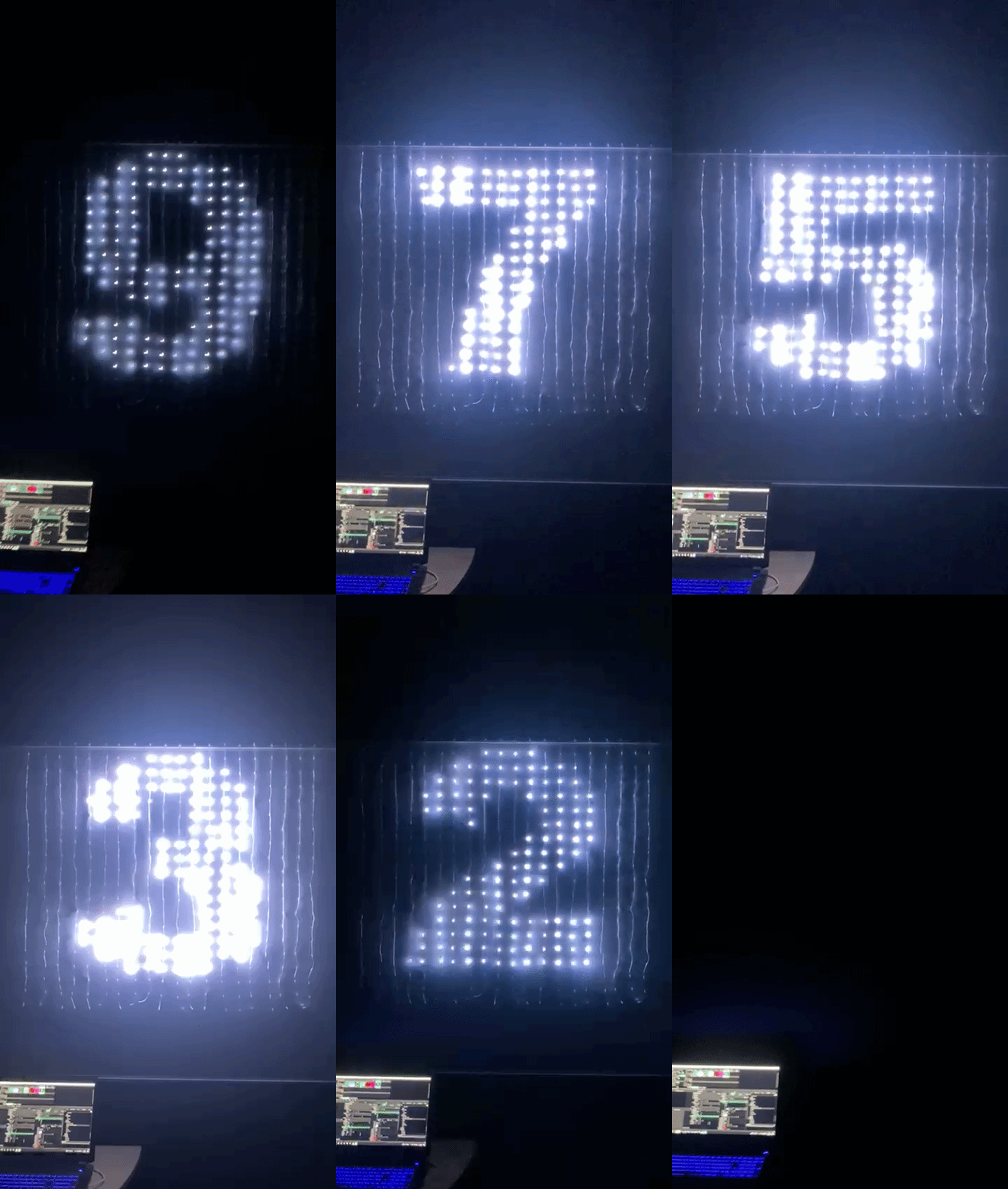
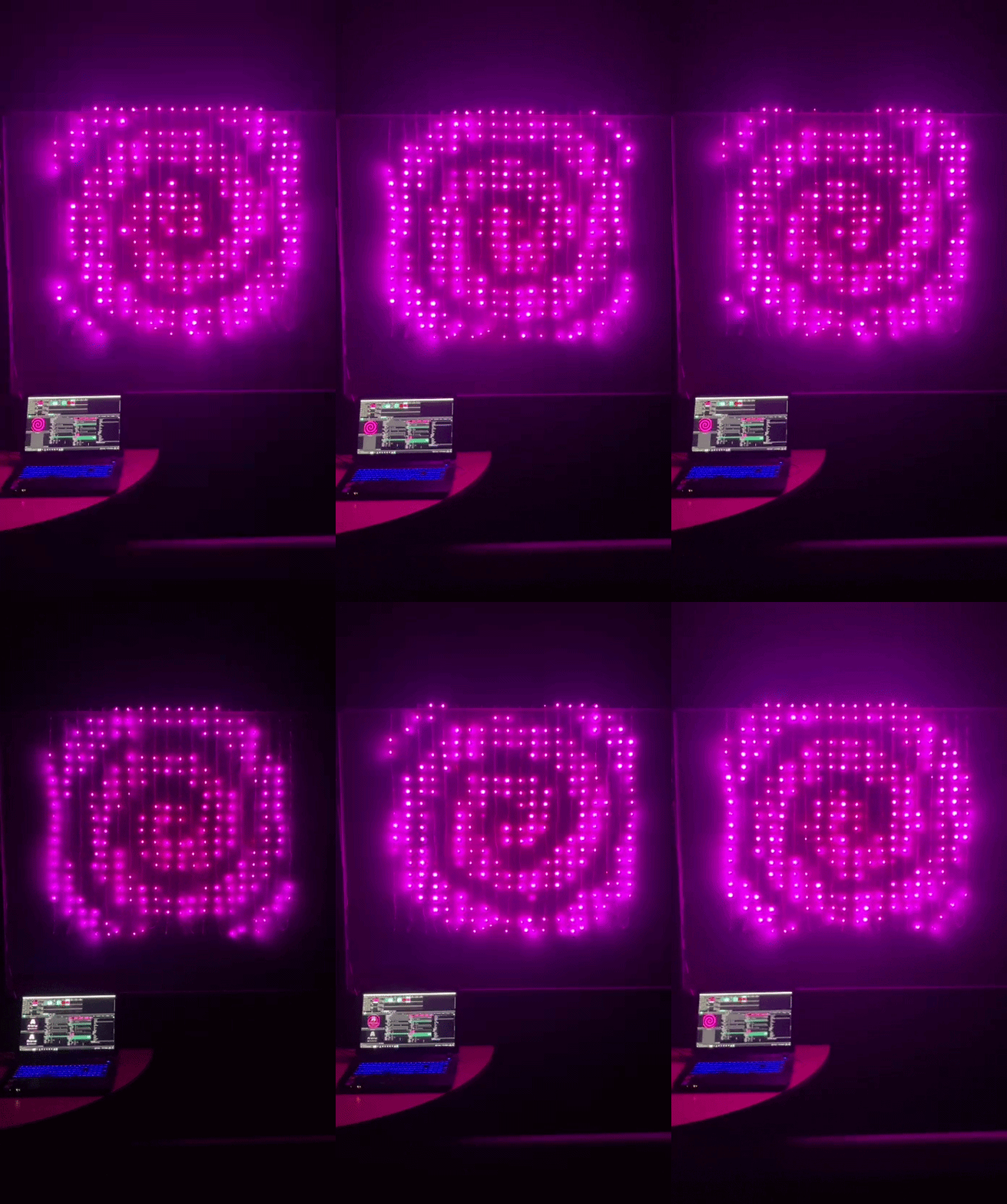
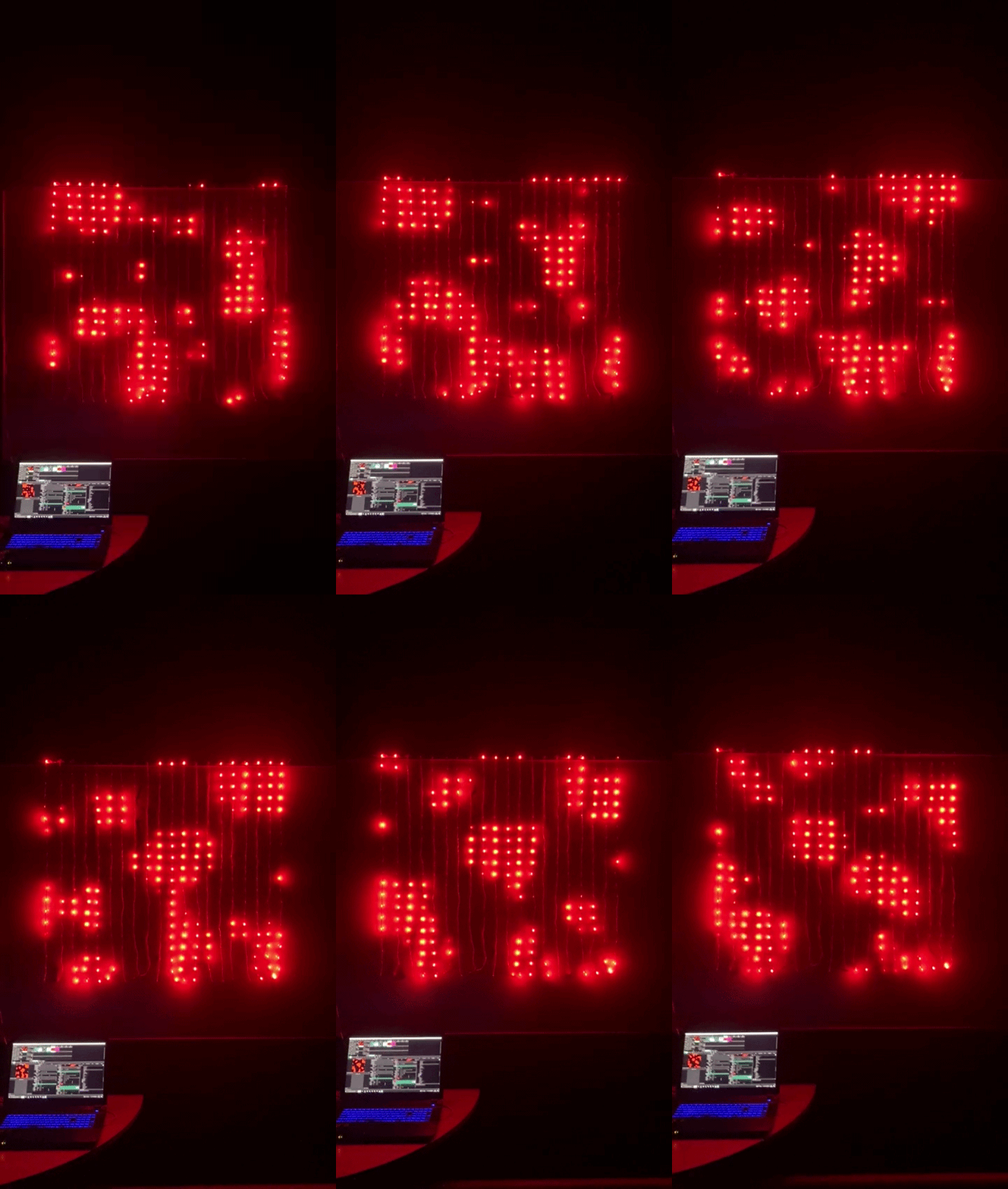
1m x 1m Test Results
What’s particularly encouraging is how responsive and adaptable these systems can be when approached from a media-server mindset rather than a traditional lighting workflow. Even at this early stage, we’re seeing strong potential for scalable visual applications.
Scaling Up the Canvas
The next phase focuses on scale.
Our aim is to develop a system capable of handling multiple LED matrices simultaneously, combining them into a single coherent canvas. The target output sits somewhere in the region of 25,000 pixels, moving the project firmly into architectural display territory.
The intended application is to install LED curtains behind shopfront and office windows, transforming buildings into programmable media surfaces. These could host a wide range of content including:
- Dynamic text-based messaging
- 8-bit and retro-inspired visuals
- Generative artwork
- Interactive or playful media experiences
A key priority is modularity. The system needs to adapt easily to different window sizes, building layouts, and installation constraints, allowing canvases to grow or reconfigure without redesigning the entire setup each time.
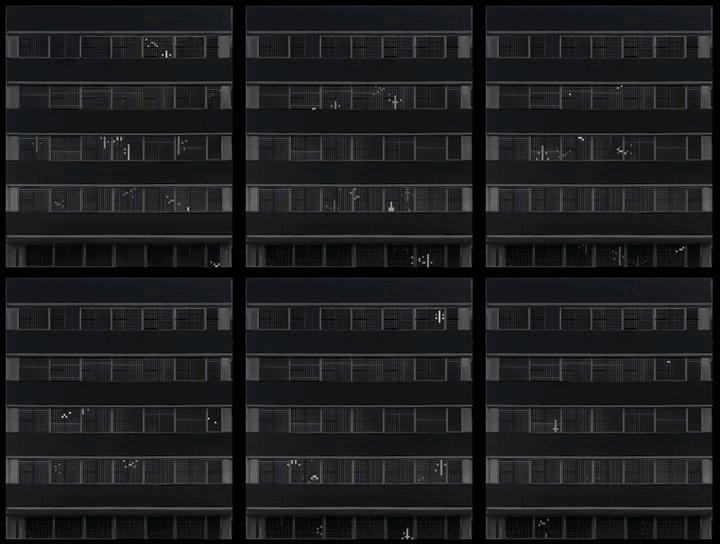
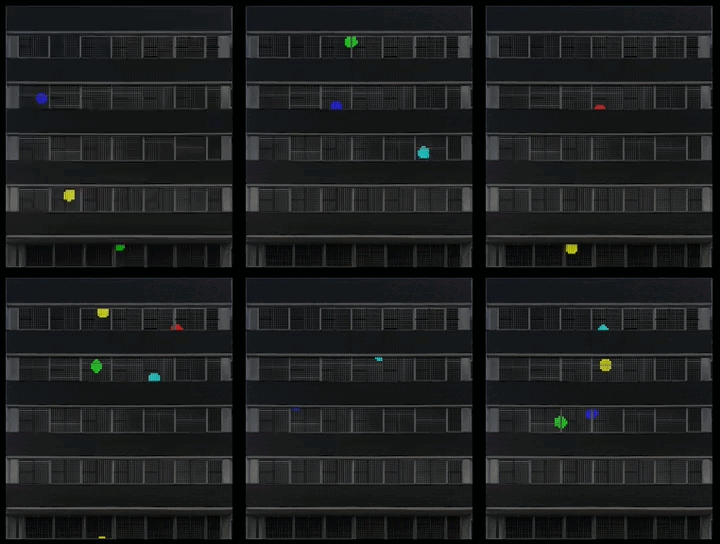
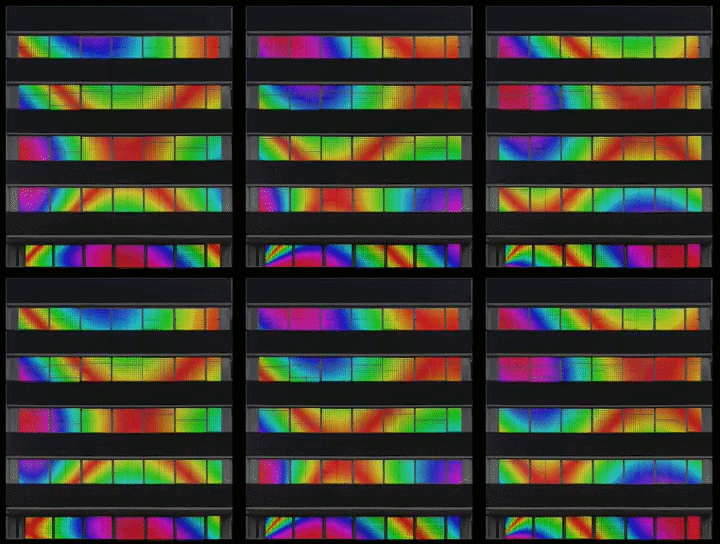
Visualisations of real-world output
Control, Playback and Reliability
As the system expands, robustness becomes increasingly important.
We’re moving towards testing controller solutions that prioritise reliability at scale, ideally shifting from Art-Net toward sACN for improved network performance and flexibility across larger installations.
Alongside this, we’ll be developing a dedicated playback solution capable of delivering synchronised content seamlessly across multiple matrices, something essential when working at architectural scale where even small timing inconsistencies become noticeable.
Looking Ahead: Interaction
Beyond playback, the longer-term ambition is interaction.
Future development will explore ways for audiences to actively engage with the installations, from triggering visual responses to potentially generating their own content in real time. Turning passive displays into participatory experiences is where this technology becomes particularly exciting.
We’re looking forward to sharing updates as the project progresses over the coming months and seeing how far this approach to low-cost, modular media architecture can be pushed.