Supporting They Eat Culture as Technical Lead
Future Preston Tours was part of They Eat Culture’s contribution to the BFI’s Days of Fear & Wonder sci-fi season, the largest themed film festival ever staged in the UK. Across two months, Preston was transformed through live, large-scale, site-specific immersive screenings, participatory tours, and creative workshops.
As technical lead, the job was to bring ambitious artistic visions into reality, often in spaces that weren’t designed for performance or technology. With very short installation windows and a huge amount of kit to integrate safely, the pressure was high, but so was the reward.
E.T.
The E.T. tour and screening were all about wonder and atmosphere. Audiences cycled through Avenham Park, swept up in a chase between FBI agents and BMX riders before arriving at a transformed school for the main event.

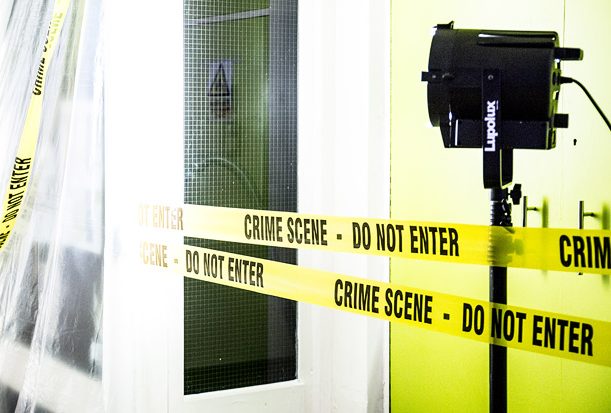

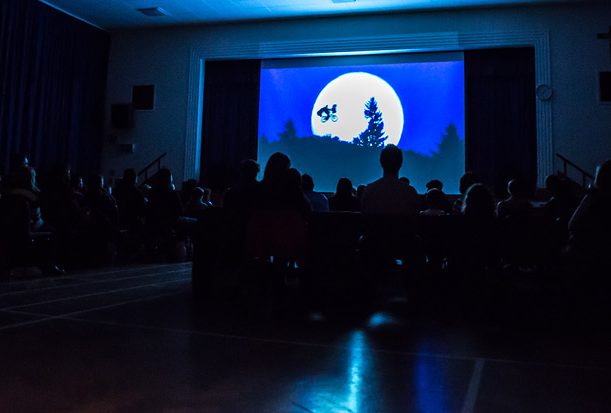
The technical challenge here lay in lighting and projection. The school needed to feel disturbing but safe, with carefully placed lighting rigs guiding the audience while still keeping the element of tension. Large-scale projection systems were installed quickly and precisely, turning ordinary walls into glowing backdrops for the performance and screening. With such limited time to install and calibrate, the kit had to be rugged, discreet, and above all, reliable.
The result was spaces that shimmered between the everyday and the cinematic. Watching the moonlit ride back through the park, after an experience where lights, projection, and performance blended seamlessly, was one of the most rewarding moments of the project.
Dredd
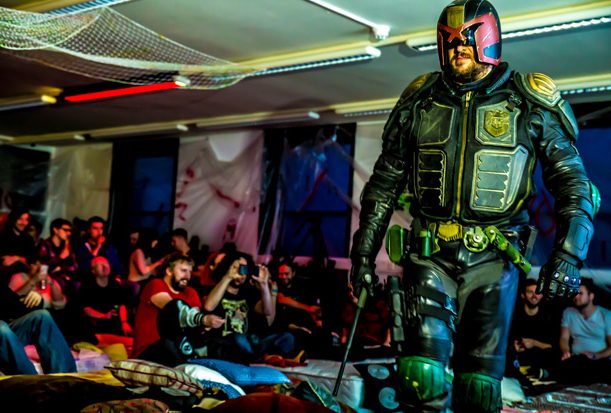
The Dredd experience began in the iconic, brutalist Preston bus station, with the audience marched through the streets and interrogated by Judges, before entering Winckley House, an unoccupied office block which was transformed into the Peach Trees housing project.
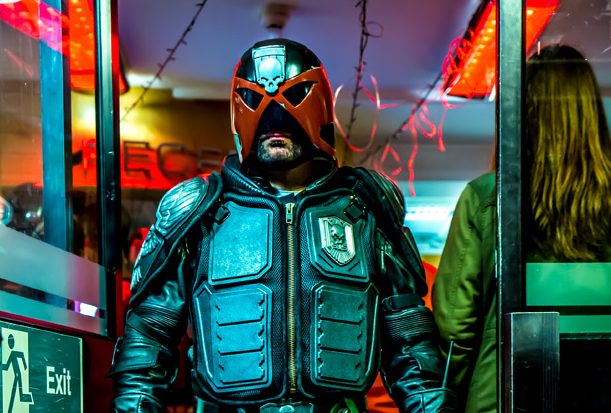
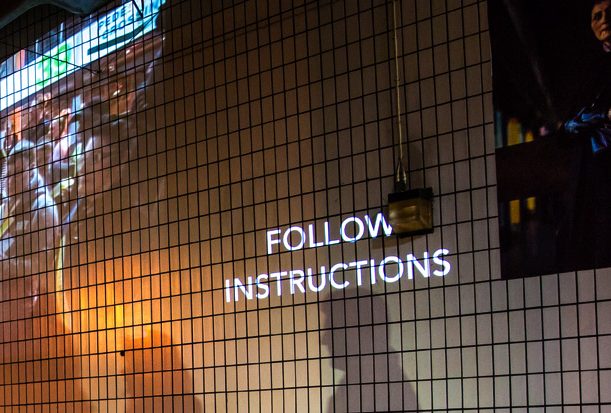
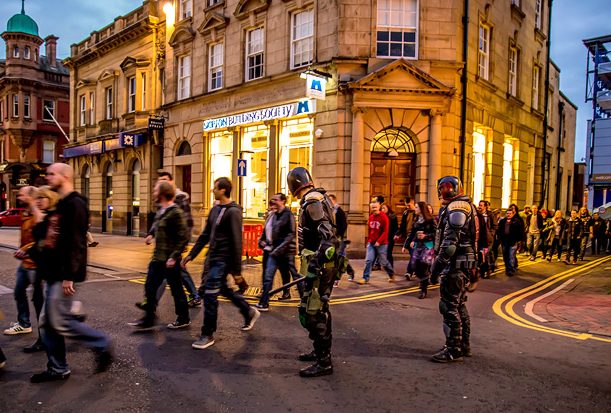
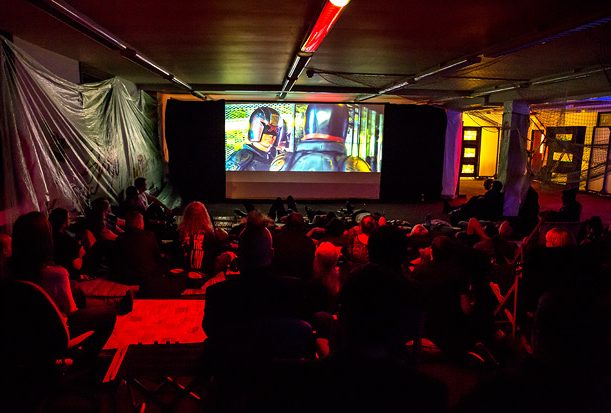
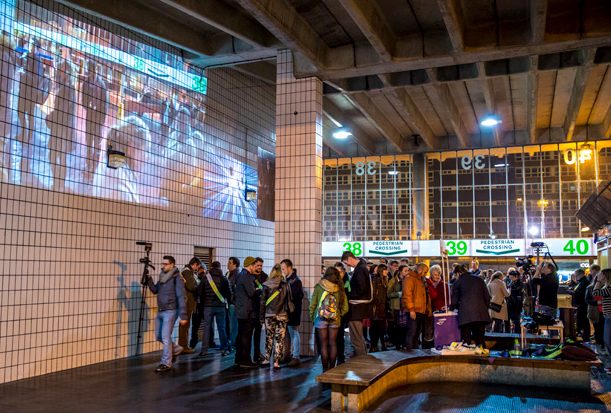
From a technical standpoint, this was about surveillance and control. We installed CCTV-style camera feeds, live audio-video monitors, and bespoke lighting fixtures to create the sense that audiences were under constant watch. Monitors flickered with images from different corners of the building, while the sound system layered in tension with overlapping signals.
Integrating this experience into an old office block, while ensuring everything remained safe and functional for large crowds, was a major logistical feat. However, it paid off; the mix of live performance, music, and surveillance-driven AV made the audience feel as though they had truly stepped inside a dystopian world.
Tron
For Tron, the focus was on energy and spectacle. The aim was to immerse the audience in a futuristic, neon-charged environment before the film screening itself.
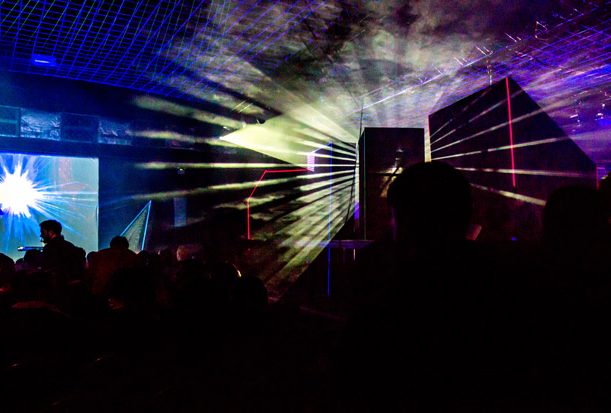
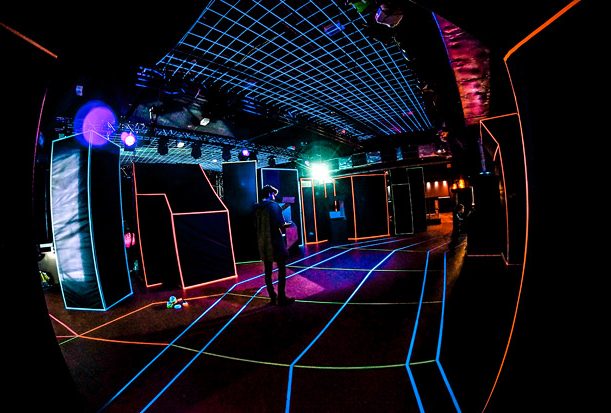
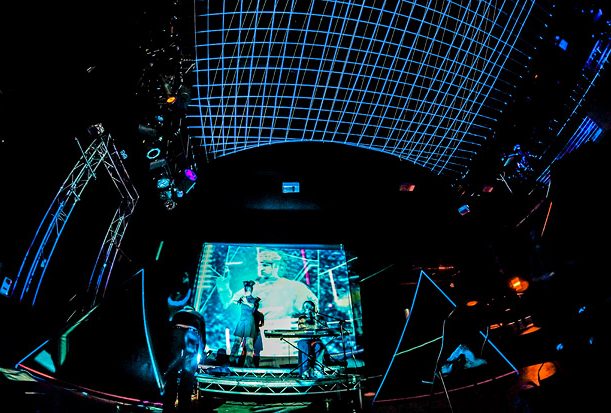
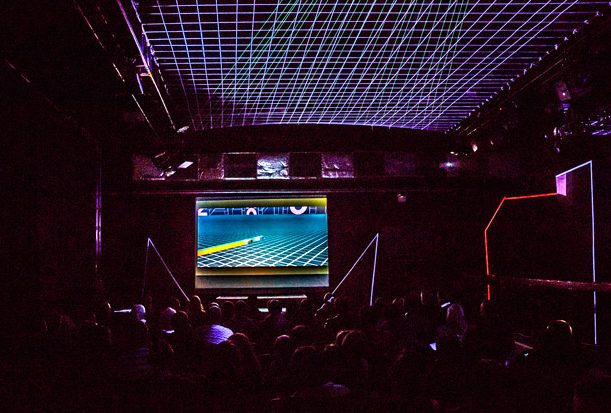
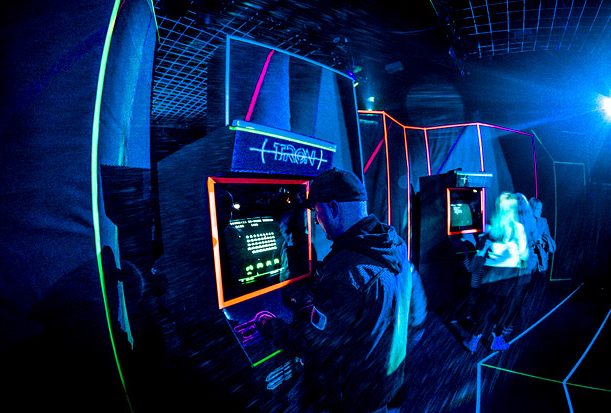
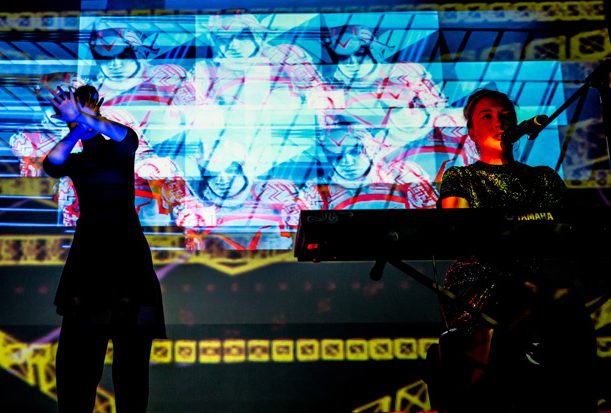
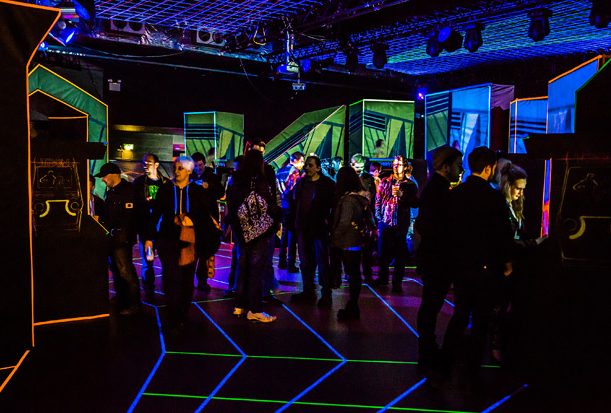
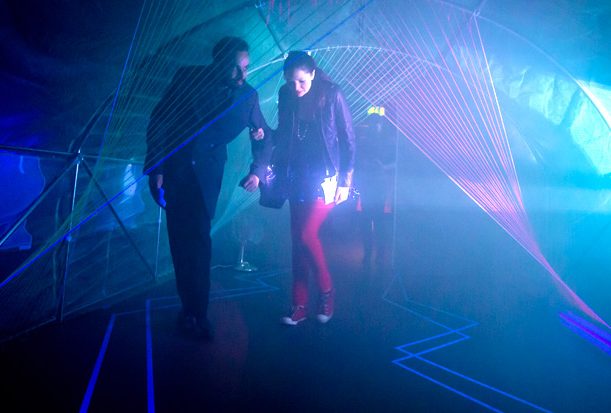
Here, the backbone was LED and neon lighting systems. We built out a grid of glowing lines and patterns, transforming the venue into something closer to a digital circuit board than a cinema. Video game installations added an interactive layer, encouraging audiences to play and experiment before the show. And, to complete the atmosphere, a live performance opened the evening, music, movement, and light merging into one.
This was the most playful technically: programming lighting chases, testing neon durability under crowd conditions, and syncing the tech with the performers’ timing. On the night, the room buzzed with light and sound, and audiences couldn’t help but engage.
Reflections
Each of these events demanded intense planning, quick turnaround installs, and invisible but resilient technical systems. From projection and lighting in outdoor spaces, to surveillance-style AV in office blocks, to neon-lit gaming environments, the challenge was always the same: how do we make the tech disappear into the art?
The answer, every time, was collaboration. Working alongside artists, technicians, musicians, and performers, we fused imagination with engineering and turned public spaces into places of wonder, dread, and neon futures.