Supporting the Live Immersion of One Side to the Other
Stepping into Akram Khan’s One Side to the Other at The Lowry was unlike any other project we’ve supported. What set it apart was not just its scale, but the timing: joining right at the end of its production phase, just as the show was about to open to the public. That meant a fast and concentrated process of learning the technical backbone of the installation so that we could help sustain it throughout the exhibition run.
The gallery as performance
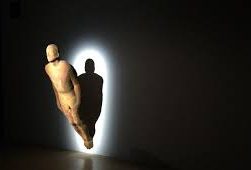
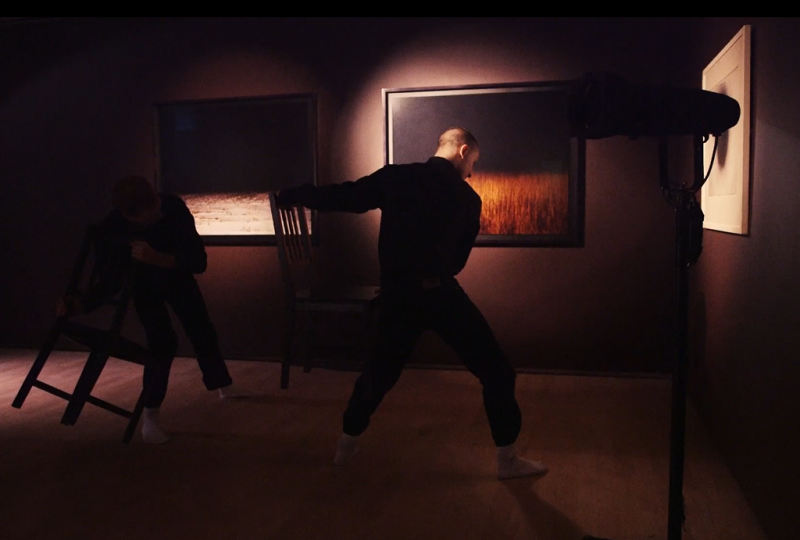
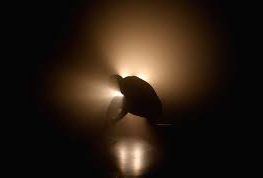
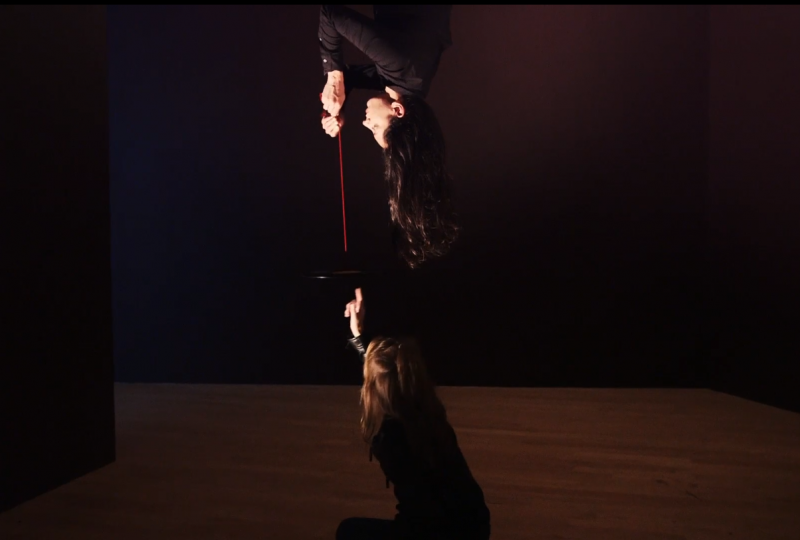
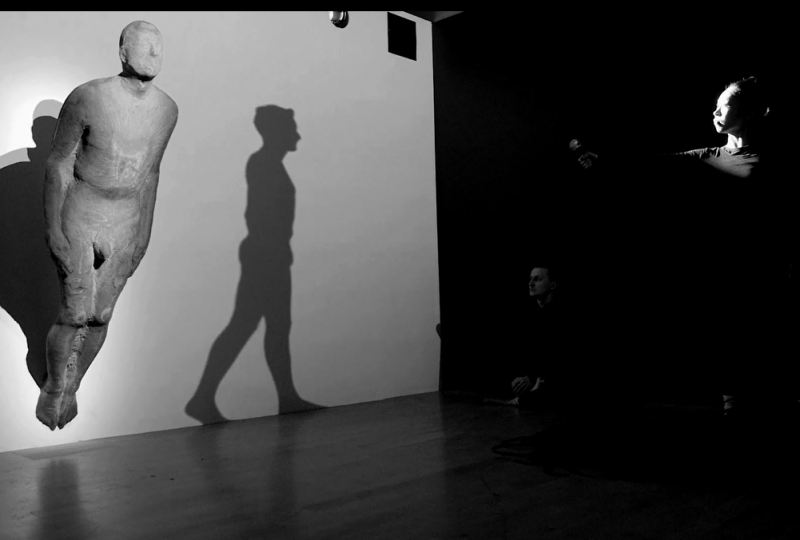
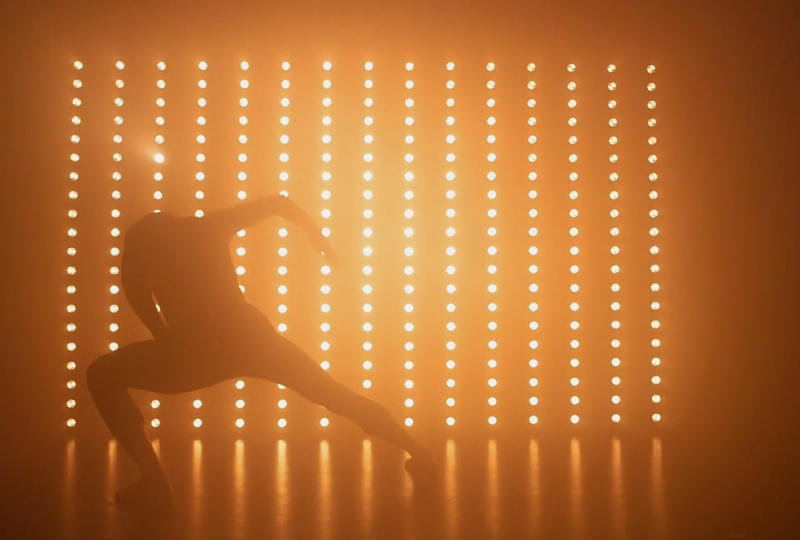
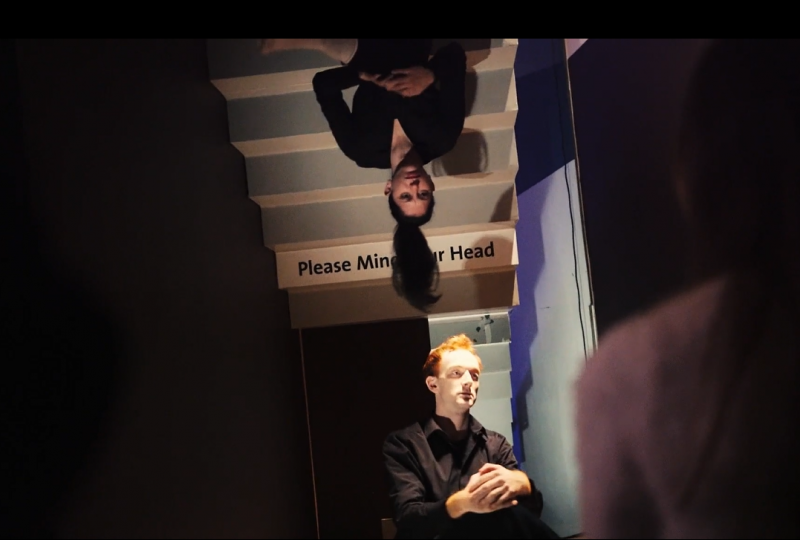
At its core, this wasn’t a conventional gallery show. The exhibition itself combined sculpture, film, and photography, but on particular days it transformed into something more: a live installation where dancers guided audiences through the space. Visitors weren’t simply looking at artworks, they were inside them, moving with them, led between pieces as sound and choreography reshaped the room.
Supporting the work meant recognising that each technical element, light, sound, timing, spatial flow, wasn’t just background, but an active part of the performance vocabulary.
The challenges of supporting such a work
Preserving the integrity of surprise, while guiding safely
Audiences needed to feel immersed within the work, caught off-guard by sudden shifts of movement, sound, or light, yet still safe as they navigated a space designed for art rather than crowd flow. Our role was to walk that fine line, operating the show live while moving through the space alongside the audience, blending in by pretending to be just another participant. This meant holding the tension of risk and wonder, while also quietly ensuring the practicalities were in place: clear paths, hidden technologies, and an unobtrusive hand on the technical operation.
Technical orchestration of light, sound, timing
Because the installation carried both static and live elements, the technical side had to flex seamlessly. Lighting had to shift focus between highlighting artworks and catching the moving body. Soundscapes needed to dovetail with live cues from performers. Learning this system at speed, and then maintaining its fluid precision during public runs, was as much about listening and anticipation as it was about understanding systems and learning cues.
Learning fast, holding steady
Coming in at the tail end of the build meant I didn’t have the luxury of gradual involvement. Instead, the job was about absorbing the intricacies of the system quickly, working closely with the creative and technical teams, and then acting as a kind of anchor once the public came through the doors. It was less about inventing than about holding, keeping the show’s delicate balance intact so that audiences could experience its intended sense of immersion.
Why it mattered
Supporting One Side to the Other confirmed how live immersive installation blurs boundaries. The visitor is no longer a spectator but a participant; the artwork is no longer static but alive in sound, light, and movement. Our role was to make sure that transformation held up in practice, that every technical layer stayed responsive so the magic could unfold without interruption.
For those who experienced it, the exhibition didn’t just show art. It staged an encounter, where crossing from one side to the other became both literal and metaphorical. Helping to keep that space alive was a privilege.