Technical solutions for the Arts

Site Logo
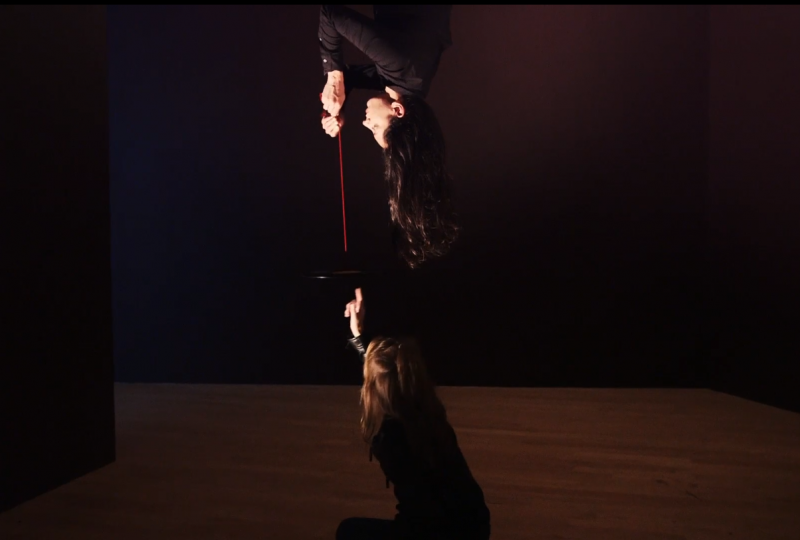
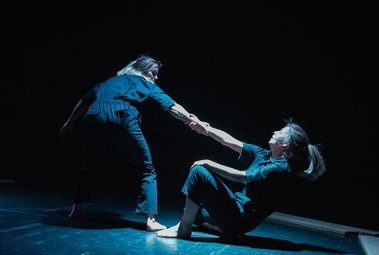
  • One Side to the Other: Akram Khan Company

    Supporting the Live Immersion of One Side to the Other

    Stepping into Akram Khan’s One Side to the Other at The Lowry was unlike any other project we’ve supported. What set it apart was not just its scale, but the timing: joining right at the end of its production phase, just as the show was about to open to the public. That meant a fast and concentrated process of learning the technical backbone of the installation so that we could help sustain it throughout the exhibition run.


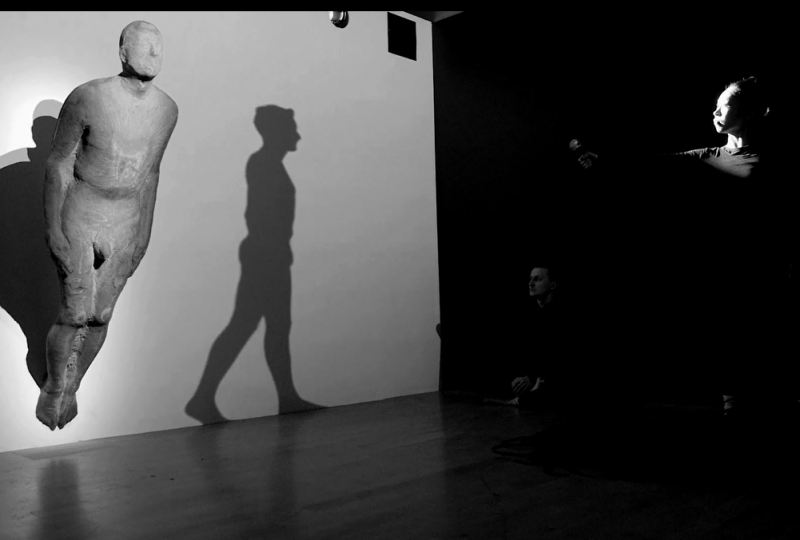
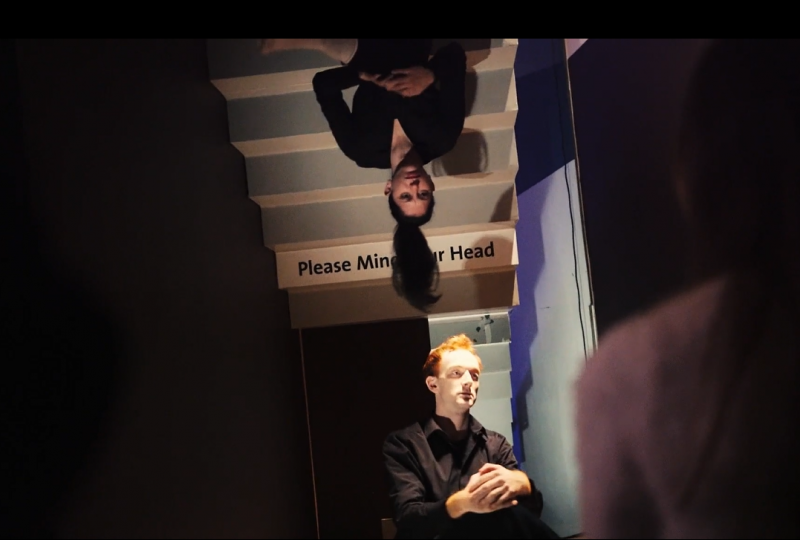
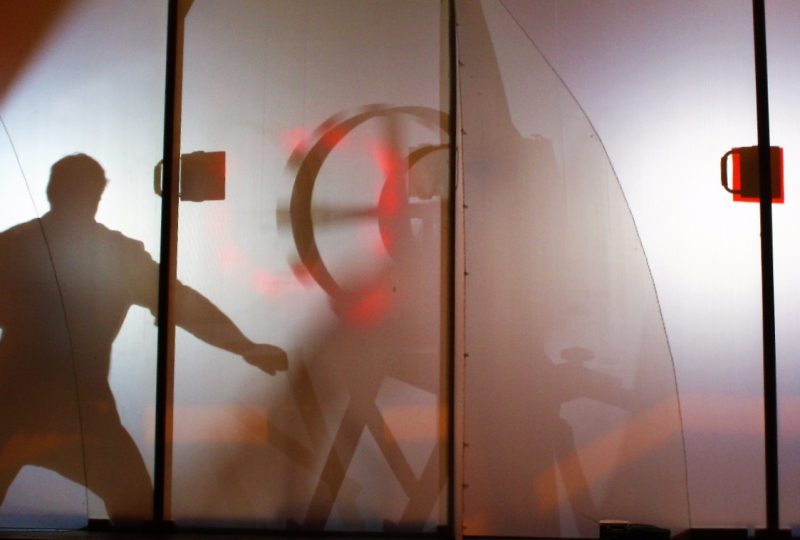
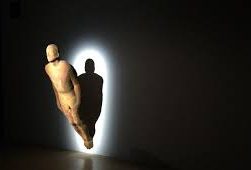
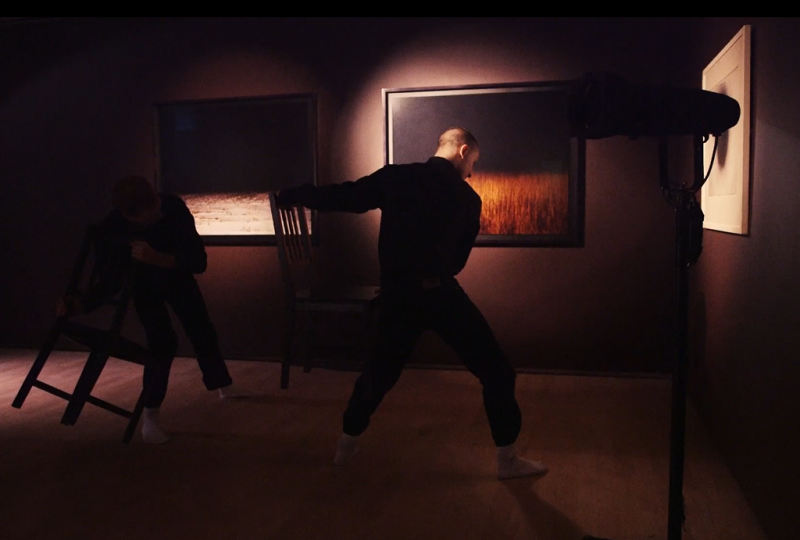
    The gallery as performance

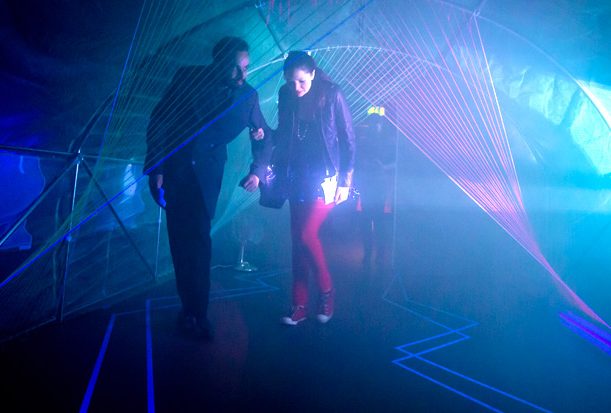
    At its core, this wasn’t a conventional gallery show. The exhibition itself combined sculpture, film, and photography, but on particular days it transformed into something more: a live installation where dancers guided audiences through the space. Visitors weren’t simply looking at artworks, they were inside them, moving with them, led between pieces as sound and choreography reshaped the room.

    Supporting the work meant recognising that each technical element, light, sound, timing, spatial flow, wasn’t just background, but an active part of the performance vocabulary.
    The challenges of supporting such a work

    Preserving the integrity of surprise, while guiding safely

    Audiences needed to feel immersed within the work, caught off-guard by sudden shifts of movement, sound, or light, yet still safe as they navigated a space designed for art rather than crowd flow. Our role was to walk that fine line, operating the show live while moving through the space alongside the audience, blending in by pretending to be just another participant. This meant holding the tension of risk and wonder, while also quietly ensuring the practicalities were in place: clear paths, hidden technologies, and an unobtrusive hand on the technical operation.

    Technical orchestration of light, sound, timing

    Because the installation carried both static and live elements, the technical side had to flex seamlessly. Lighting had to shift focus between highlighting artworks and catching the moving body. Soundscapes needed to dovetail with live cues from performers. Learning this system at speed, and then maintaining its fluid precision during public runs, was as much about listening and anticipation as it was about understanding systems and learning cues.


    Learning fast, holding steady

    Coming in at the tail end of the build meant I didn’t have the luxury of gradual involvement. Instead, the job was about absorbing the intricacies of the system quickly, working closely with the creative and technical teams, and then acting as a kind of anchor once the public came through the doors. It was less about inventing than about holding, keeping the show’s delicate balance intact so that audiences could experience its intended sense of immersion.


    Why it mattered

    Supporting One Side to the Other confirmed how live immersive installation blurs boundaries. The visitor is no longer a spectator but a participant; the artwork is no longer static but alive in sound, light, and movement. Our role was to make sure that transformation held up in practice, that every technical layer stayed responsive so the magic could unfold without interruption.

    For those who experienced it, the exhibition didn’t just show art. It staged an encounter, where crossing from one side to the other became both literal and metaphorical. Helping to keep that space alive was a privilege.
  • In Transit: Transport for Greater Manchester

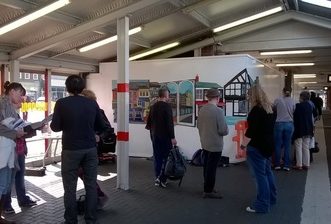
    Sound, Memory and Movement at Bolton Bus Station

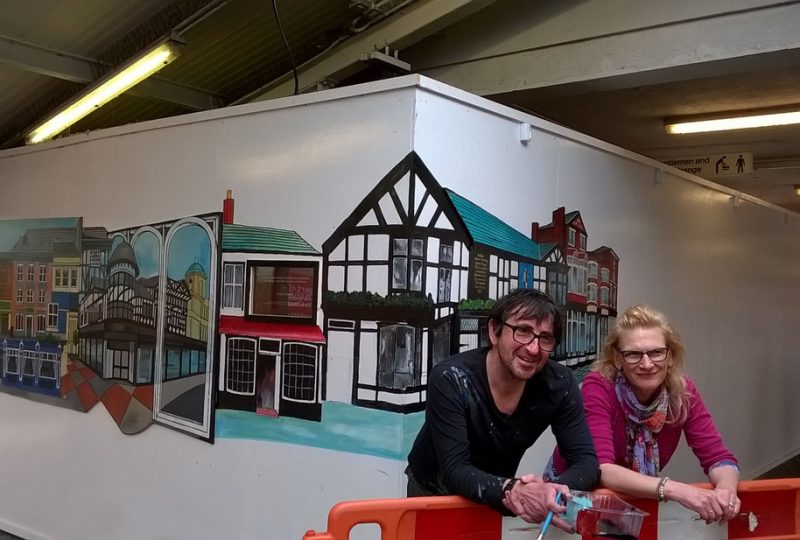
    We had the opportunity to spend time with In Transit, an immersive public art installation created by artist Stephy Shipley. Installed at Bolton Bus Station, the work transformed a busy transport hub into a place of shared memory, gently weaving together the voices of local people as part of the station’s own story. Shipley’s practice gently and evocatively transports us to other times and places; her visual, textual, and sonic pieces evoke a sense of elsewhere, inviting us to meditate on memory and place. In In Transit, that invitation was deeply felt: we were drawn into a collective reflection of longing and residual memory, haunted by the spoken and unspoken, offered fleeting glimpses of landscapes both familiar and unfamiliar, like stills from half-remembered films.

    At the heart of the installation was sound. Sensors were positioned so that as travellers moved through the concourse, they triggered audio recordings: fragments of conversations, recollections and reflections from Bolton residents. Each clip was short, sometimes personal, sometimes collective, but always grounded in the lived experience of the community. As more people passed through, these memories built into a layered narrative, not linear, but overlapping, much like the comings and goings of a bus station itself. To achieve this, we installed PIR sensors connected to an Arduino microcontroller, which triggered recorded samples stored on a weatherproofed Raspberry Pi. Working in a live public space meant safety was paramount: all equipment had to be discreetly installed, securely housed, and carefully positioned so that the technology served the work without disrupting the everyday flow of the station.

    What struck us most was the subtlety. The installation didn’t demand attention with visuals or spectacle. Instead, it worked with the existing rhythm of the station. Travellers who might not usually stop for art encountered it incidentally, in between buying a ticket or catching their bus. The result was a moment of engagement that didn’t interrupt daily routine, but instead slipped seamlessly into it.

    From a technical perspective, this required careful consideration. The equipment had to be robust and secure enough to withstand the demands of a public transport environment. It also had to remain discrete, present, but not obtrusive, so the focus stayed on the experience rather than the technology. In many ways, the success of In Transit came from this balance: reliable infrastructure underpinning an ephemeral, almost intangible layer of human connection.

    As Bolton prepared for the relocation of the bus station, In Transit offered a kind of collective farewell. By capturing and replaying the memories of local people, the work documented not just the physical space but its role in the everyday lives of thousands of travellers. It reminded us that buildings and infrastructure are more than bricks and steel; they are vessels for stories. This approach reflects the ethos of HardaleAV: using technology to connect people with the spaces they inhabit, transforming everyday environments into immersive experiences that celebrate community and memory.

  • (we) SINK: Hawk Dance Theatre

    Capturing the Moment: Live Projections for (we)SINK

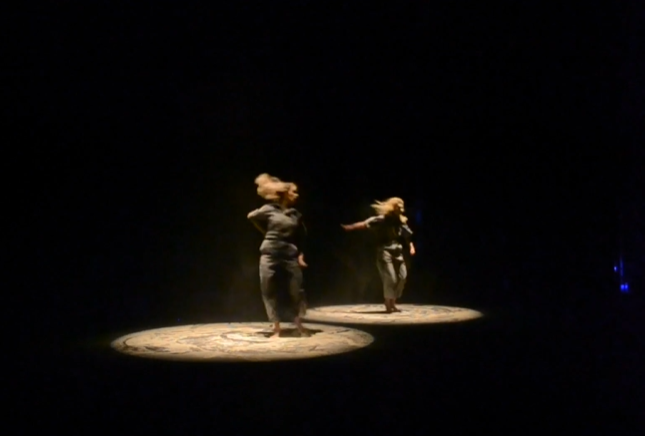
    Being part of the contemporary dance piece (we)SINK, was a fascinating journey into the intersection of performance, technology, and environmental storytelling. Choreographed by Josh Hawkins, (we)SINK is a duet performed by Emmie Coxey and Freya Thomas, delving into the psychological mechanisms that make humans disengage from the climate crisis. Themes of distance, doom, dissonance, denial, and identity come alive through movement, questioning whether these defence barriers can ever truly be broken.

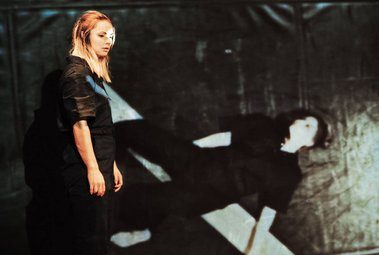
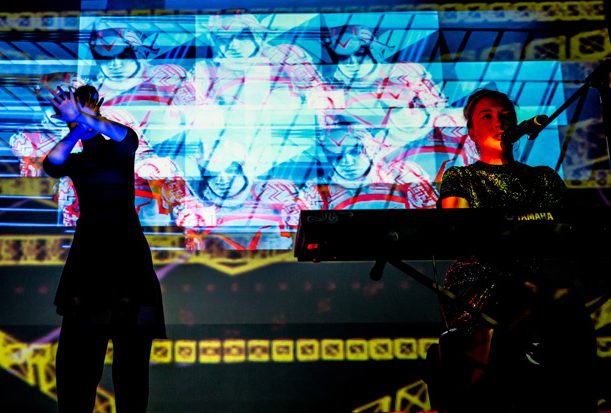
    Our role in the production focused on the live video element, capturing performers in real time and projecting their images back onto the stage. This technique became an extension of the choreography itself, amplifying the dancers’ movements while creating a reflective space for the audience. Watching the performers’ gestures echoed and fragmented on the projection screens added a layer of psychological resonance, mirroring the emotional distance and disconnection explored in the work.

    The live video during (we) SINK wasn’t just an aesthetic choice; it became an integral part of the narrative. As viewers followed the dancers, the projections created moments of intimacy and tension, making the audience acutely aware of both the physical and metaphorical distance between humans and the climate crisis. Supporting the performance meant being present in the space with the dancers, operating live video processed through QLab and projection-mapped onto the space, in real time. This allowed us to respond to the performers’ movements and energy as the piece unfolded, ensuring the technology was not just functional but a dynamic partner in the choreography. It was a privilege to contribute to a work that so thoughtfully combined live dance, responsive technology, and urgent social commentary, turning the stage into a living, breathing reflection of our times.

    (we)SINK is more than a performance; it’s a conversation about connection, awareness, and the barriers we place between ourselves and the pressing issues we face. Being able to contribute to that conversation through responsive AV work was truly inspiring, reflecting the HardaleAV ethos: using technology not just to support performance, but to actively engage audiences, enhance storytelling, and create engaging experiences that connect people with both art and the world around them.

  • Procession of Light: Lancashire Encounter Festival

    In collaboration with Dapertutto Theatre

    We had the chance to be part of Lancashire Encounter’s Procession of Light, working alongside Dapertutto to create something a little different, a living light art installation that moved as part of the procession through Preston city centre. The event itself is sustained and enriched through the support of Arts Council England, whose recent £90,000 investment ensures the continued growth and success of Encounter. Their backing helps create a dynamic, sustainable platform for artistic excellence and cultural celebration, rooted in their Let’s Create vision for 2030: an England where everyone’s creativity is valued, has the chance to flourish, and is met with access to a remarkable range of high-quality cultural experiences.

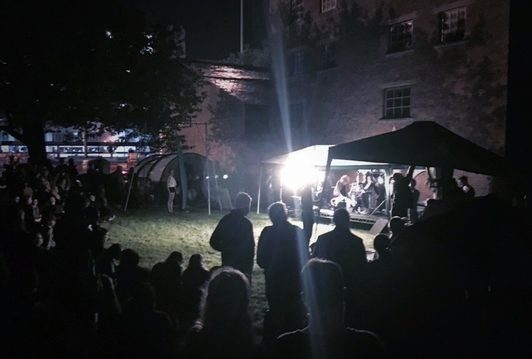
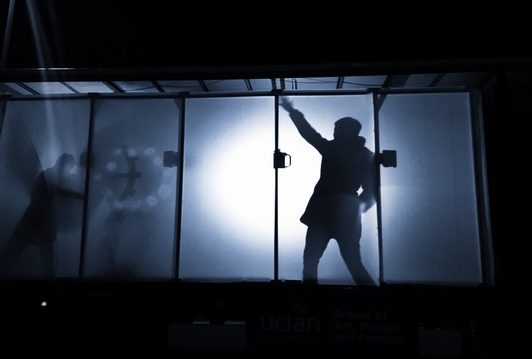
    We worked to integrate performers, movement, and light into a single, flowing piece so that the installation wasn’t static but alive, taking place on a 40ft flatbed semi-trailer with live performers. Being present inside the moving performance was essential: operating lights, sound, and theatrical effects in real time, we could respond to the performers’ needs and support them moment by moment. Reliable, portable technology was key to success, but just as vital was the ability to stay with the work as it moved, ensuring the performers were always backed by the technical energy that lifted their silhouettes into something unforgettable.

    As always, it was great to be part of a team that brings ideas like this into the public space. This approach lies at the heart of HardaleAV’s ethos: creating work that steps beyond traditional boundaries, meeting audiences where they are, and using technology to transform shared spaces into immersive moments of collective experience.

  • Future Preston Tours: Days of Fear & Wonder

    Supporting They Eat Culture as Technical Lead

    Future Preston Tours was part of They Eat Culture’s contribution to the BFI’s Days of Fear & Wonder sci-fi season, the largest themed film festival ever staged in the UK. Across two months, Preston was transformed through live, large-scale, site-specific immersive screenings, participatory tours, and creative workshops.

    As technical lead, the job was to bring ambitious artistic visions into reality, often in spaces that weren’t designed for performance or technology. With very short installation windows and a huge amount of kit to integrate safely, the pressure was high, but so was the reward.


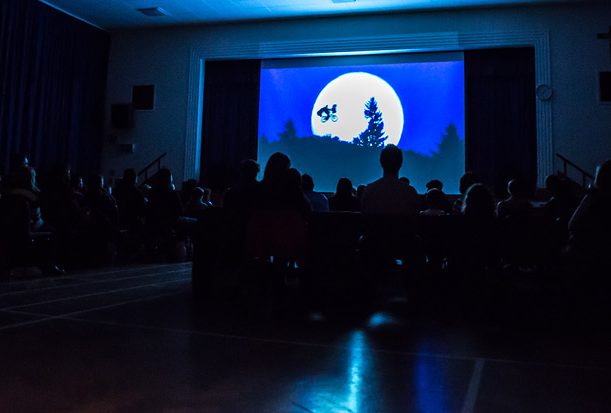
    E.T.

    The E.T. tour and screening were all about wonder and atmosphere. Audiences cycled through Avenham Park, swept up in a chase between FBI agents and BMX riders before arriving at a transformed school for the main event.

    The technical challenge here lay in lighting and projection. The school needed to feel disturbing but safe, with carefully placed lighting rigs guiding the audience while still keeping the element of tension. Large-scale projection systems were installed quickly and precisely, turning ordinary walls into glowing backdrops for the performance and screening. With such limited time to install and calibrate, the kit had to be rugged, discreet, and above all, reliable.

    The result was spaces that shimmered between the everyday and the cinematic. Watching the moonlit ride back through the park, after an experience where lights, projection, and performance blended seamlessly, was one of the most rewarding moments of the project.


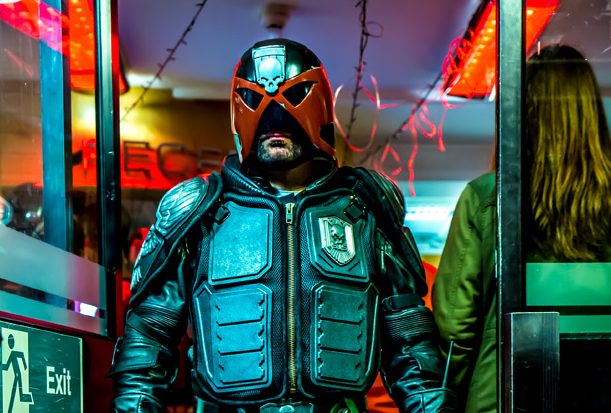
    Dredd

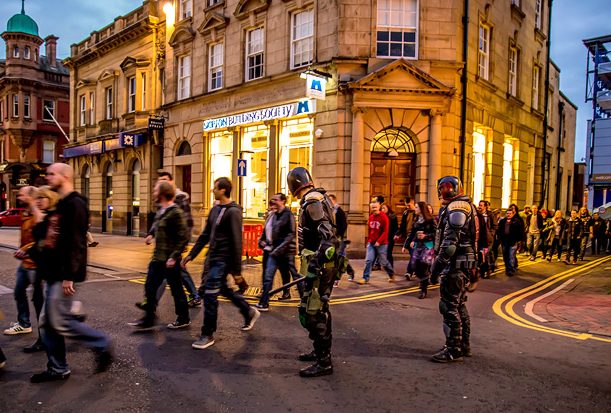
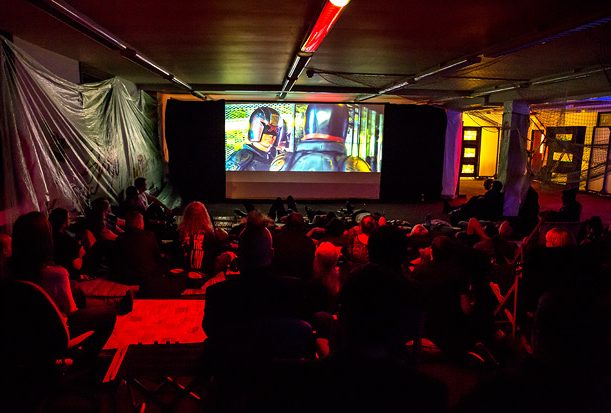
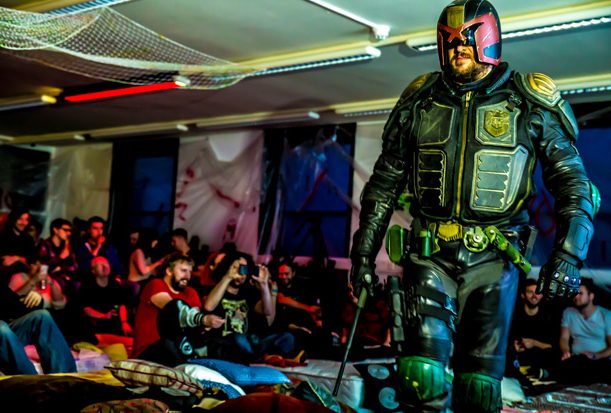
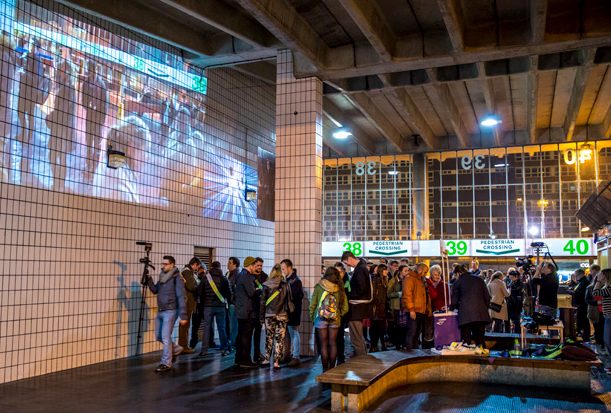
    The Dredd experience began in the iconic, brutalist Preston bus station, with the audience marched through the streets and interrogated by Judges, before entering Winckley House, an unoccupied office block which was transformed into the Peach Trees housing project.

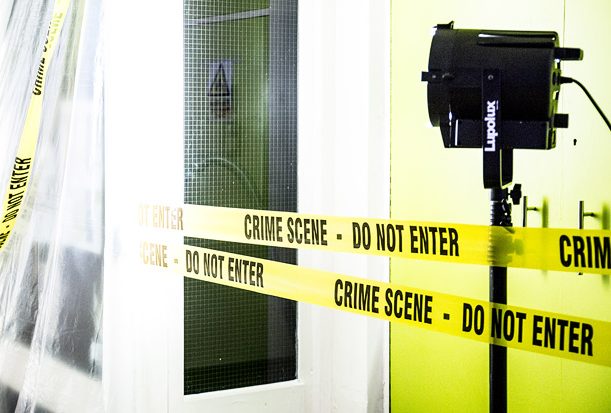
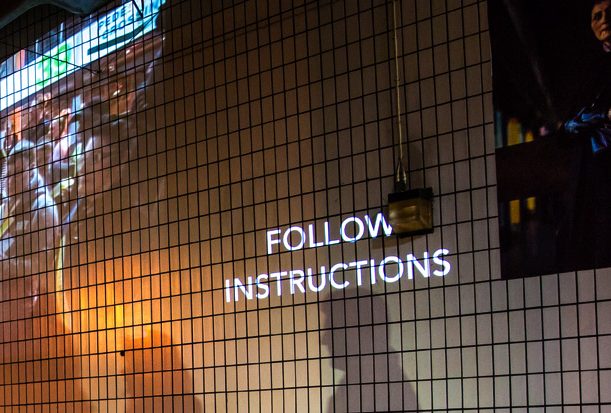
    From a technical standpoint, this was about surveillance and control. We installed CCTV-style camera feeds, live audio-video monitors, and bespoke lighting fixtures to create the sense that audiences were under constant watch. Monitors flickered with images from different corners of the building, while the sound system layered in tension with overlapping signals.

    Integrating this experience into an old office block, while ensuring everything remained safe and functional for large crowds, was a major logistical feat. However, it paid off; the mix of live performance, music, and surveillance-driven AV made the audience feel as though they had truly stepped inside a dystopian world.


    Tron

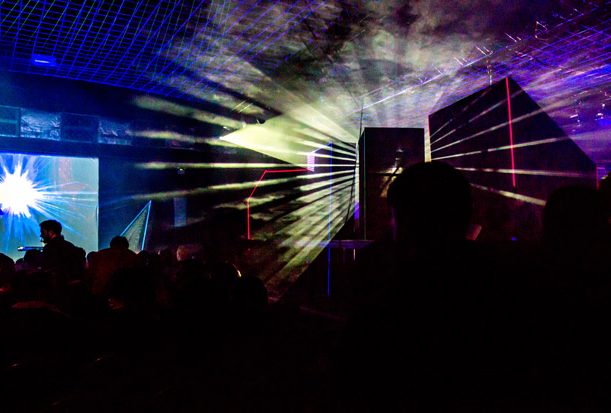
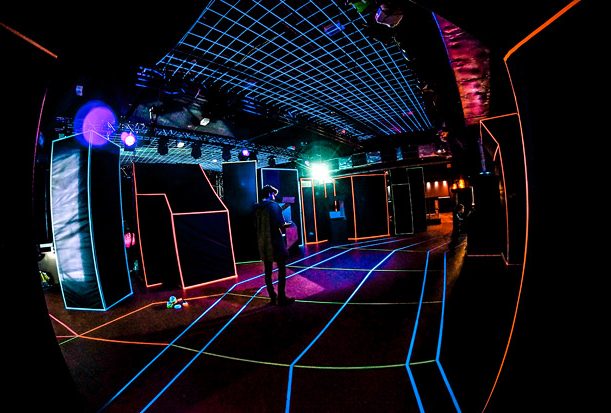
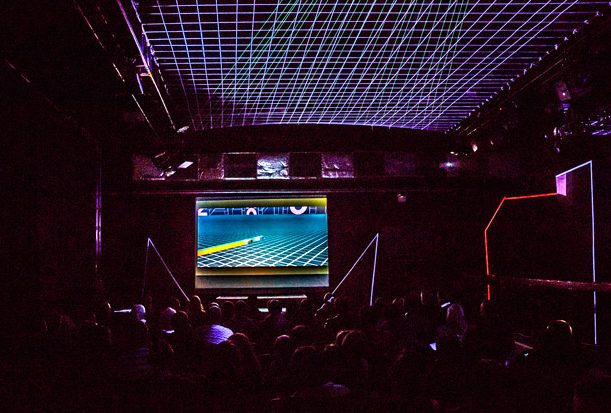
    For Tron, the focus was on energy and spectacle. The aim was to immerse the audience in a futuristic, neon-charged environment before the film screening itself.

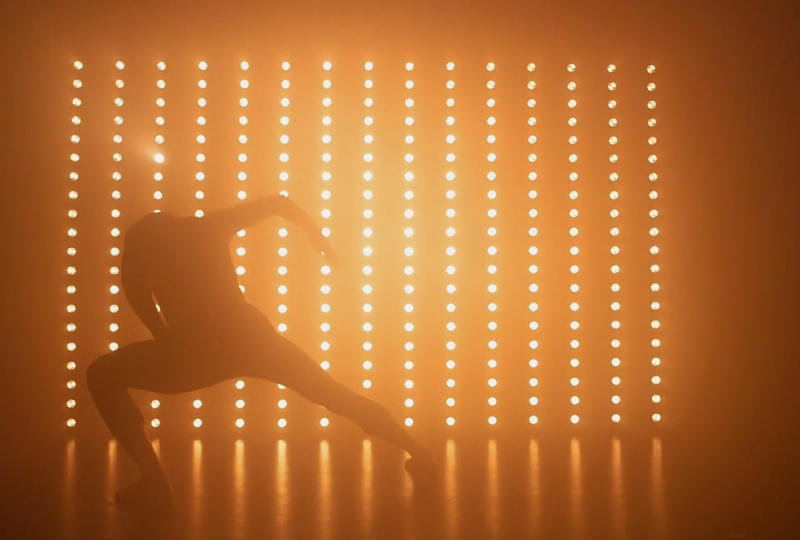
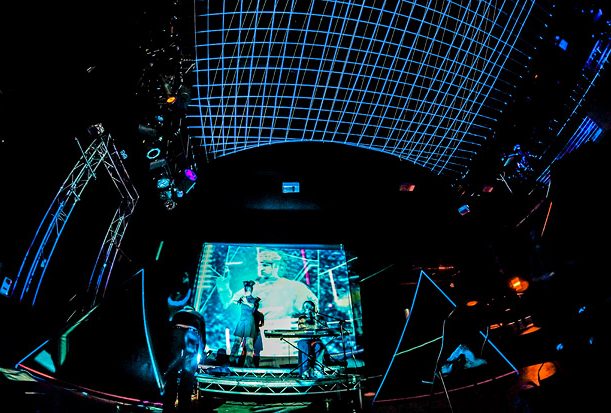
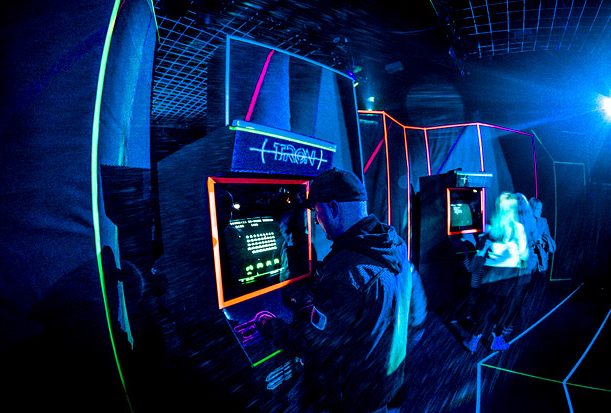
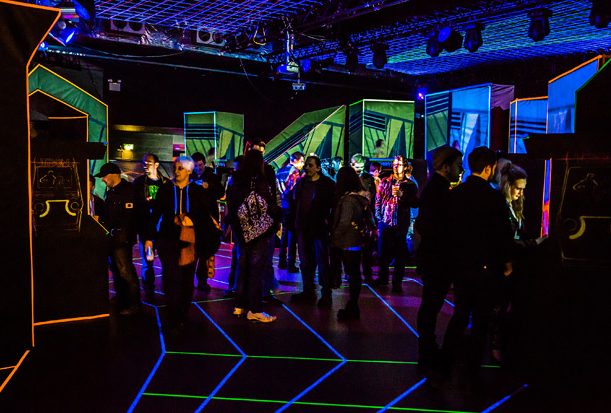
    Here, the backbone was LED and neon lighting systems. We built out a grid of glowing lines and patterns, transforming the venue into something closer to a digital circuit board than a cinema. Video game installations added an interactive layer, encouraging audiences to play and experiment before the show. And, to complete the atmosphere, a live performance opened the evening, music, movement, and light merging into one.

    This was the most playful technically: programming lighting chases, testing neon durability under crowd conditions, and syncing the tech with the performers’ timing. On the night, the room buzzed with light and sound, and audiences couldn’t help but engage.


    Reflections

    Each of these events demanded intense planning, quick turnaround installs, and invisible but resilient technical systems. From projection and lighting in outdoor spaces, to surveillance-style AV in office blocks, to neon-lit gaming environments, the challenge was always the same: how do we make the tech disappear into the art?

    The answer, every time, was collaboration. Working alongside artists, technicians, musicians, and performers, we fused imagination with engineering and turned public spaces into places of wonder, dread, and neon futures.

  • The Last Battle: Harris Museum and Art Gallery

    Technical Reflections on a City-Wide Performance

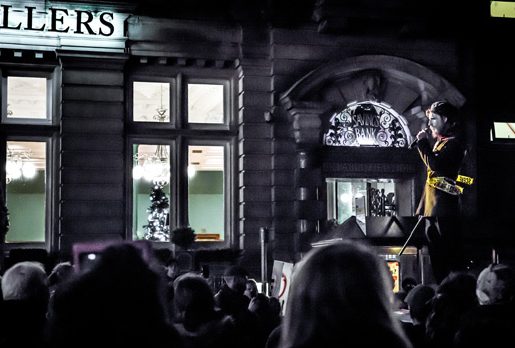
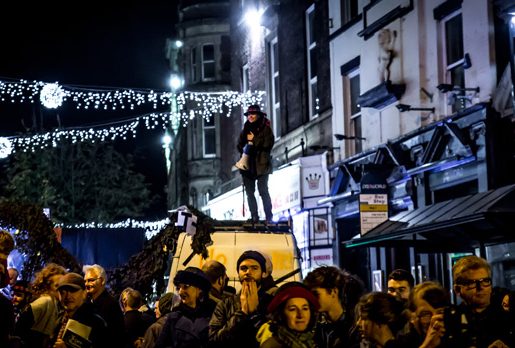
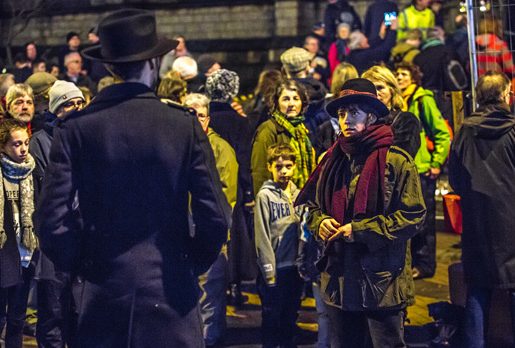
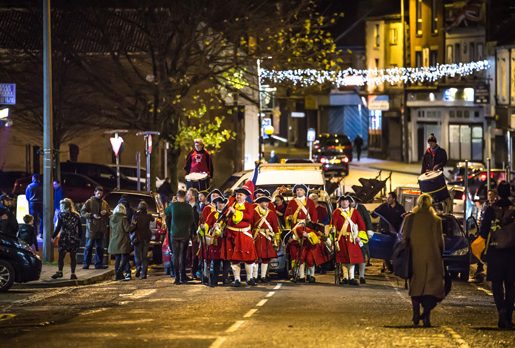
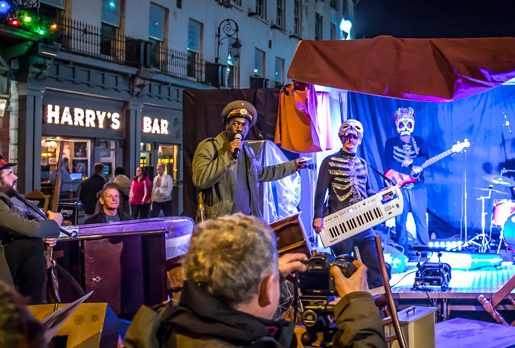
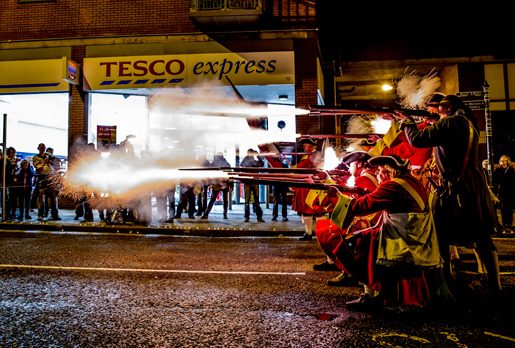
    In 2015, we had the privilege of leading the technical delivery of ‘The Last Battle‘, commissioned as part of The Harris Museum, Library, and Art Gallery’s programme The Last Battle on English Soil. This wasn’t just a theatre show; it was a full-scale promenade performance that spilt out into the streets of Preston, transforming Church Street into a battleground where history met the present day.

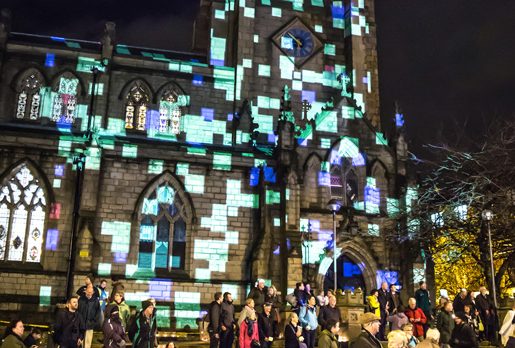
    We animated the streets by projecting the Jacobite uprising into today’s Preston, transforming the Minster and surrounding spaces into living canvases. We connected people by asking: what would you do if you encountered an angry Jacobite in a takeaway on Church Street? Run a mile? Join the rebels? Inform the government? Or just ask for a chip? And, above all, we celebrated the city and its layered history by placing the events of 1715 into the contemporary contexts of 2015.

    Community Engagement: Bringing Heritage To Life

    The performance evolved from deep community engagement. Stories written and performed by local children became audio installations. Lanterns made during public workshops were handed out on the night. Families, historians, and artists all contributed. On site, audiences weren’t just spectators; they picked sides, built barricades, joined in protest chants, and carried lanterns through the streets.

    Audiovisual Systems at the Core

    As technical lead, our role was to weave together the many audio and video systems that carried these stories. Commissioned audiovisual interventions ranged from large-scale projection mapping on Preston Minster to CCTV installations and pre-recorded film scenes played through laptops, TVs, and tablet screens placed in shop windows and open venues. Commissioned sound pieces were spilt onto the street through shop tannoy systems and speakers, while taxis parked along the route became listening booths for recorded stories.

    Each layer of audio and video contributed to an immersive world, making the audience feel as if they had stepped directly into the battle. The technology didn’t sit in the background, it drove the experience.

    The Challenge of Outdoor Tech

    Projection mapping onto a historic building like Preston Minster was both a pleasure and a challenge. The stone’s rich texture created a striking canvas, but precision was vital for the visuals to land effectively. Working outdoors in late autumn added another layer of unpredictability, with the weather an ever-present factor. Ensuring safety meant more than just weatherproofing the equipment in IP-rated enclosures, it required clear communication and coordination with Council staff, the production team, and stewards to protect both the kit and the audience throughout the event.

    The reward was seeing Church Street alive with light and sound, a historic landmark transformed into a character within the story. That’s the power of combining heritage with contemporary technology.

    Listening, Responding, Connecting, Transforming

    For us, The Last Battle was a reminder of what happens when community stories, artists, and technology converge. The result was a living, breathing performance that invited audiences to play their part in history, not as passive onlookers, but as active participants in Preston’s story. Delivering a project of this scale and complexity was both a challenge and a joy, and it reaffirmed our commitment to producing high-quality work that serves communities. This is the kind of experience HardaleAV strives to achieve: ambitious, collaborative, and deeply connected to place.